
The Hog Report / Daily Dispatch
The Functional Resume Trap: Why You Must Use Chronological Formatting in 2026
Discover why university career centers warn against functional resumes in 2026. Learn how to format a chronological resume to beat ATS and address career gaps.
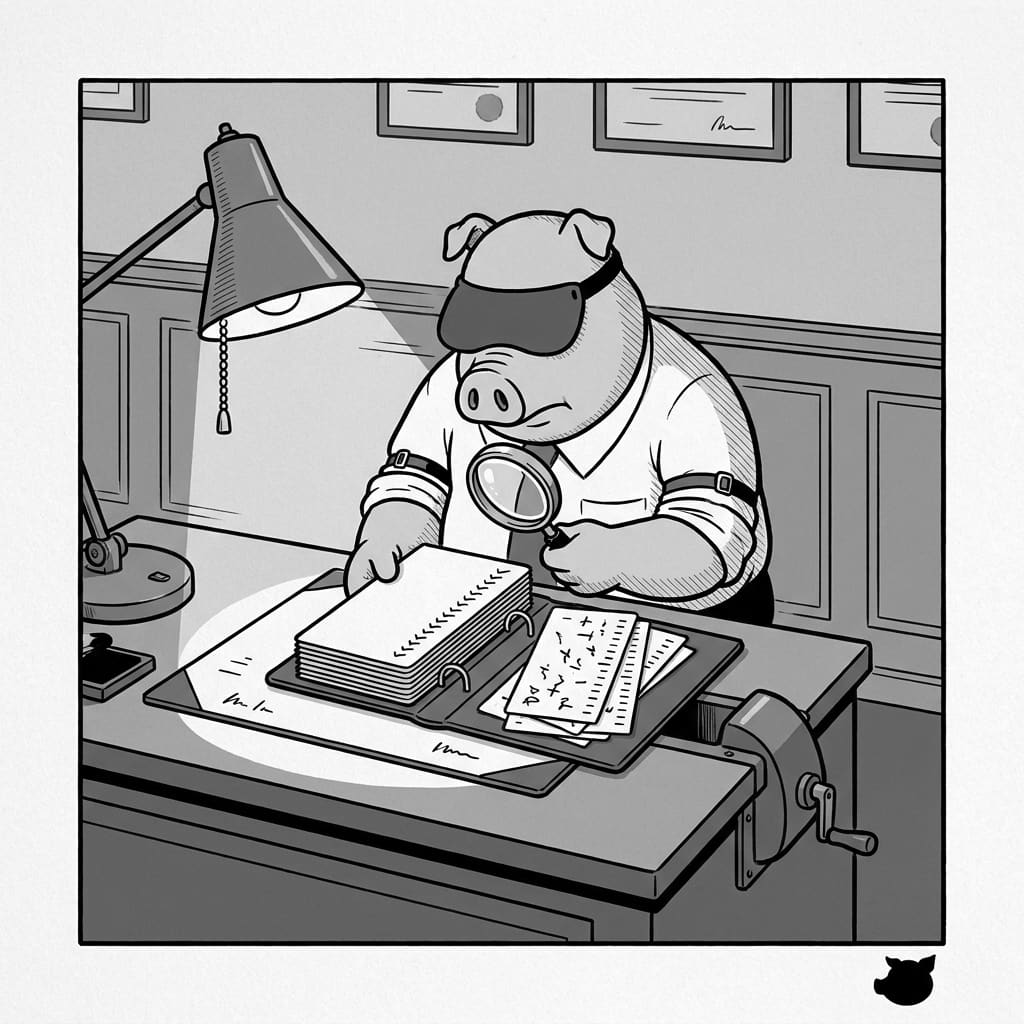
The Outdated Advice of the Functional Resume
If you have an employment gap, are changing careers, or are returning to the workforce, you have probably heard the same piece of advice: use a functional resume. By grouping your background by skills rather than a timeline of jobs, the theory goes, you can hide the gaps and force recruiters to focus on what you can do.
There is just one problem with this strategy in 2026. It is almost guaranteed to backfire when you apply online.
Modern Applicant Tracking Systems (ATS) and recruiters heavily favor reverse-chronological formatting. Functional resumes strip out the context that algorithms and human readers rely on to verify your experience. If you are struggling to get interviews, your functional layout might be the hidden reason.
Why 2026 ATS Platforms Reject Functional Formatting
When you upload your document to an online application, the ATS extracts the raw text and parses it into data fields like job titles, employers, skills, and dates. Functional resumes break this parsing process.
According to the Career and Advising Center at NDSU, including the month and year for each position helps algorithms understand your exact level of experience. Because functional resumes separate skills from specific roles, the system cannot verify how recently or for how long you used a required skill. NDSU explicitly advises using a chronological format when applying via an ATS.
Similarly, the career experts at Utah Valley University urge job seekers to always include dates and choose a chronological layout over a functional or skills-based one. When you group all your skills at the top without attaching them to a specific job timeline, the ATS cannot properly calculate your total years of experience in that competency.
What to Use Instead: The Hybrid or Chronological Format
Instead of trying to trick the system, give the ATS the clear timeline it expects while still front-loading your best qualifications.
The CNS Career Services program advises applicants to stick to a chronological format, noting that both ATS platforms and human recruiters work better with experience organized by a timeline. To bridge the gap between a chronological timeline and a skills focus, you can use a hybrid resume format.
A hybrid format (often called a combination resume) is highlighted as a universal option by the Utah State University Career Design Center. This layout starts with a robust professional summary and a dedicated skills section, followed by a standard reverse-chronological work history. This gives you the best of both worlds: you immediately highlight your core competencies for human readers, while providing the dates and job titles the ATS needs to parse your application correctly.
How to Address Career Gaps in 2026
If you cannot use a functional resume to hide your career gap, how do you handle it? The modern approach is transparency combined with strategic formatting.
- Use your summary statement: Instead of burying the gap, NDSU advises using your resume objective or summary to address what you are looking for now. Briefly framing your return to the workforce shows confidence.
- List non-traditional experience chronologically: If you took time off for caregiving, freelancing, or independent study, format that period just like a job. Give it a title like "Full-Time Caregiver" or "Independent Consultant," include the dates, and list any transferable skills or projects you managed during that time.
- Focus on accomplishments, not just duties: When listing your older jobs, use strong action verbs to describe measurable results. A clear track record of success is much more persuasive than a seamless timeline of mediocre performance.
Ultimately, a functional resume looks like you are hiding something. A reverse-chronological layout proves you understand professional norms. If you are struggling to build a layout that passes the screening software, a specialized tool like ResumeHog can help you construct an ATS-optimized, reverse-chronological resume that properly highlights your skills without confusing the algorithms.