
The Hog Report / Daily Dispatch
How to Use AI for Interview Prep in Late 2026 (Without Scripting)
Discover how to use AI responsibly for interview prep in late 2026. Learn data privacy tips and how to brainstorm core competencies without sounding like a bot.
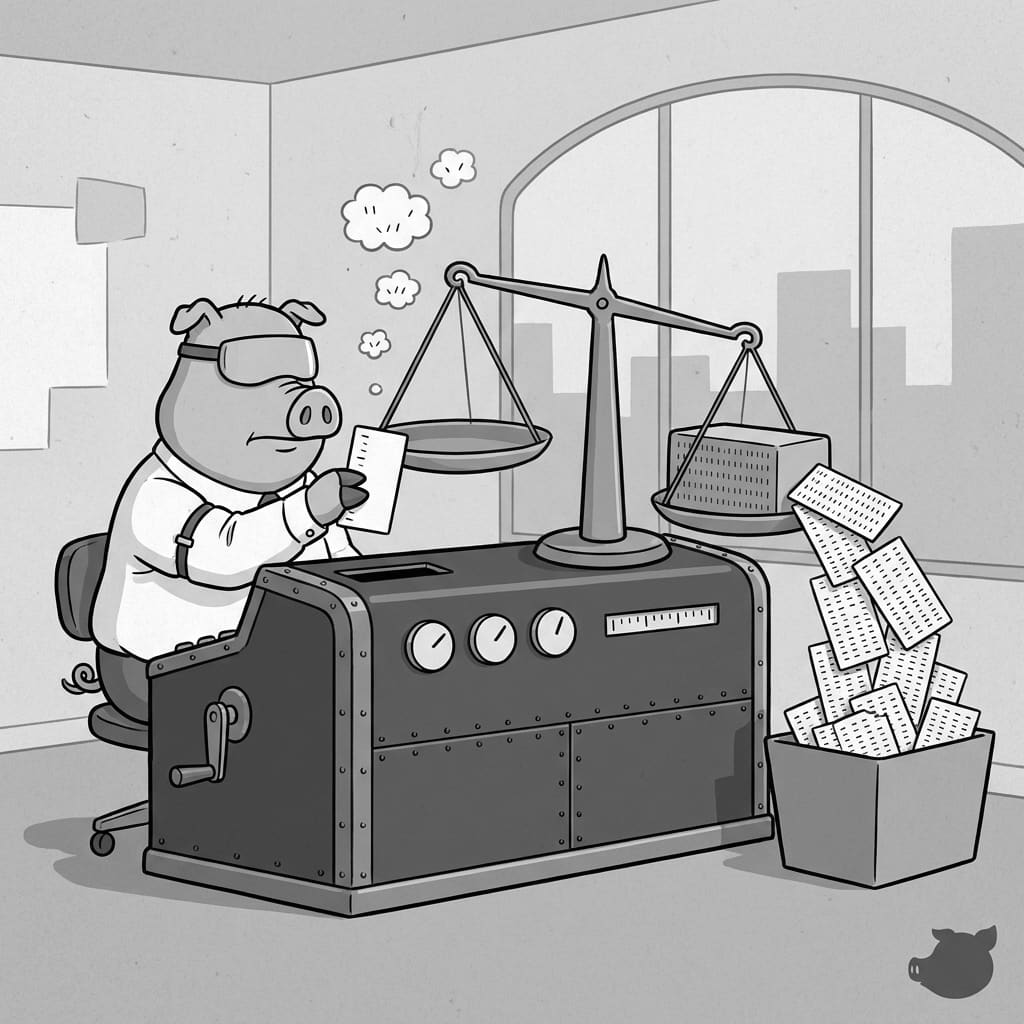
The AI Interview Advantage (If You Use It Right)
Job seekers in late 2026 know that artificial intelligence can quickly generate a cover letter or summarize a job description. But when it comes to interview preparation, many candidates are still making a critical mistake: they are asking AI chatbots to write their answers for them.
Recruiters and hiring managers can easily spot a rehearsed, AI-generated script. The language is often overly formal, relies on generic buzzwords, and lacks the authentic detail that makes a candidate memorable. If you want to use AI responsibly and effectively to prep for your next interview, you have to treat the technology as a brainstorming partner, not a scriptwriter.
Recent guidelines from university career centers highlight the best practices for integrating AI into your interview workflow without sacrificing your personal voice or data privacy.
1. Lock Down Your Data Before Prompting
Before you upload your life's work into a generative AI tool, you need to think about privacy. Most standard AI models learn from user inputs, meaning your employment history, email address, and cell phone number could potentially be absorbed into the system's training data.
According to recent guidance from MIT Career Advising, job seekers should explicitly utilize the "temporary chat" feature on their platform of choice. This ensures that the conversation, along with any personal data you share, is not saved or used to train future models. Furthermore, always remove your contact information, home address, and references from your resume document before pasting it into an external AI tool.
2. Predict Core Competencies, Not Scripts
The most powerful way to use AI before an interview is to have it analyze the job description and predict the questions you are most likely to face. The key is how you instruct the tool to deliver the results.
MIT Career Advising recommends feeding the AI your anonymized resume alongside the job description with a very specific prompt. Ask the tool to predict the core competencies the interviewer will focus on, and then have it identify which of your specific resume bullet points best address those competencies. Crucially, you should instruct the AI to "Provide talking points I can utilize, not scripted answers."
By asking for bulleted talking points rather than full sentences, you retain your natural speaking style. You will enter the interview with a clear map of which past experiences align with the employer's needs, but you will still speak like yourself.
3. Broaden Your Search and Target Transferable Skills
Sometimes the hardest part of an interview is explaining how your past experience makes you a fit for a completely different role, especially if you are pivoting careers. AI can help bridge this gap before you even sit down with a hiring manager.
A September 2026 career guide from Purdue Global notes that AI is highly effective at identifying transferable skills and suggesting how they align with new career paths. If you are struggling to answer the inevitable question about why you are applying for a new type of role, try asking the AI to analyze your background and explain how your specific experiences translate to the new industry.
For example, if you are moving from retail management to a B2B sales role, the AI can help you identify exactly which customer-de-escalation and inventory-management skills the new employer will care about most. You can then use those insights to build your interview narratives.
4. Workshop Your STAR Stories with Voice-to-Text
Behavioral interviews rely on the STAR method: Situation, Task, Action, and Result. Trying to perfectly format a past experience into this structure can be frustrating. Instead of staring at a blank page, try speaking your messy, unstructured story into an AI tool using a voice-to-text feature.
Tell the AI everything you remember about a difficult project or a leadership challenge. Then, ask the tool to highlight the most compelling elements of your story and organize them into the STAR framework. This method allows you to use your genuine, lived experiences while relying on the AI purely for structural organization. You aren't inventing facts; you are just cleaning up your delivery.
5. Pair Your Prep with a Tailored Application
Of course, securing the interview in the first place requires an application that clearly speaks to the employer's requirements. If you want to streamline this part of the process, ResumeHog can help you tailor your resume directly to the job description, ensuring your core skills are front and center. When your resume naturally highlights the right competencies, your interview preparation becomes significantly easier because your baseline narratives are already established.
Ultimately, the employers of late 2026 are looking for authentic human connection. They want to hire a person, not a chatbot. Use AI to organize your thoughts, predict difficult questions, and protect your privacy, but leave the actual talking to yourself.