
The Hog Report / Daily Dispatch
The 2026 Resume Workflow: Building a Master Document for Semantic ATS
Discover why 2026's semantic ATS matching means you need a master resume document, plus how to format your applications without keyword stuffing.
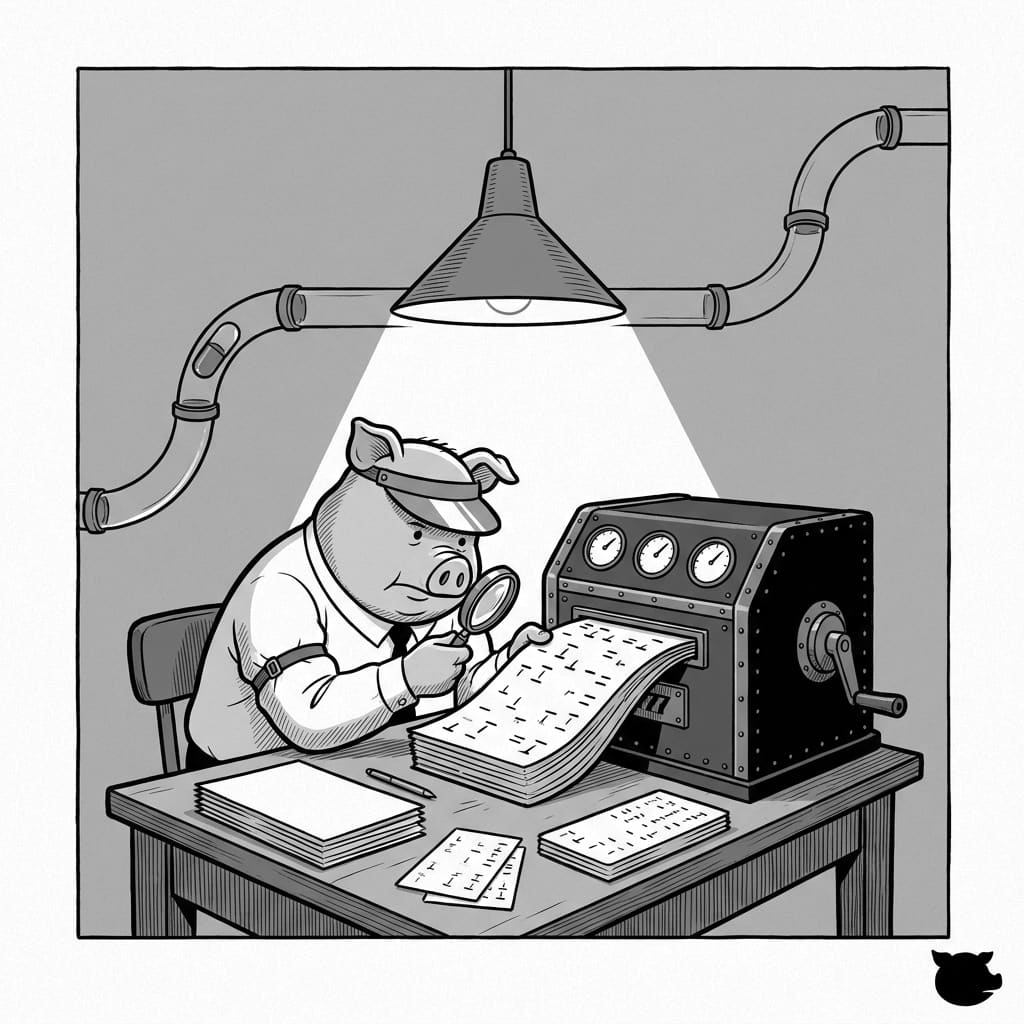
The Resume Tailoring Problem in 2026
Job seekers today are applying to more roles than ever, but many are hitting a wall when it comes to presenting their skills. According to a July 2026 report by Robert Half, 26% of Gen Z candidates struggle to effectively showcase their qualifications. Much of this frustration comes from trying to write a brand new document for every single job application.
If you are exhausted by the tailoring process, the solution is to change your workflow. Instead of editing your previous application, career experts recommend building a "master document" and understanding how modern screening software actually reads it.
What is the Master Document Strategy?
Before you apply to your next role, create a "kitchen sink" file. This is a comprehensive, running list of every job you have held, every project you have completed, and every metric you have achieved. It should be far too long to send to an employer.
This master file becomes your personal database. If you coordinated logistics for a major campus event, list the exact number of attendees. If you managed a budget, include the dollar amount. When it is time to apply for a role, you simply duplicate this document and delete everything that is irrelevant to the specific job description. This makes customization significantly faster and ensures you never forget a key achievement.
Semantic Matching: Why Keyword Stuffing is Dead
For years, candidates were told to copy and paste exact phrases from the job description to beat the Applicant Tracking System (ATS). If the posting asked for "leadership," and you only wrote "managed a team," older software might have rejected you.
That is no longer the case. Robert Half notes that modern 2026 ATS tools use semantic matching. These systems understand context. The software recognizes that "worked with teams across departments" implies collaboration skills, and "managing a team of 12" demonstrates leadership. This shift means you can write naturally and focus on your concrete achievements, rather than forcing awkward buzzwords into your bullet points.
Formatting Fundamentals You Still Cannot Ignore
While AI has become much better at understanding the meaning of your words, it is still remarkably bad at parsing complex graphic design. If your layout is too complicated, your carefully crafted master document will turn into scrambled text in the recruiter system.
To ensure your document is read correctly, stick to these rules:
- Use a single-column layout: Avoid text boxes, tables, and sidebars.
- Stick to standard headings: Use familiar terms like "Work Experience" and "Skills" so the system knows exactly where to look.
- Export safely: Save your final tailored document as a text-based PDF from Word or Google Docs. Never upload a scanned image.
- Try the Notepad test: If you paste your text into a plain text editor and the sections disappear or jumble, the ATS will likely struggle with it too.
Pulling It All Together
When you are ready to assemble your final application, skip the outdated objective statement. Instead, lead with a strong two to three sentence summary that acts as your elevator pitch. Focus on the hard facts and the transferable skills that match the employer requirements.
If building and editing a master file sounds overwhelming, purpose-built tools can speed up the process. ResumeHog can help you tailor your resume to a job description by analyzing your background and highlighting the specific achievements that best align with the target role. By combining a comprehensive master document with an understanding of semantic ATS parsing, you can stop stressing over keywords and start landing more interviews.