
The Hog Report / Daily Dispatch
Stop Writing Autopsy Resumes: 2026 Career Journaling Guide
Discover why NACE calls the traditional resume a historical autopsy in 2026, and how career journaling helps you capture metrics to prove your skills.
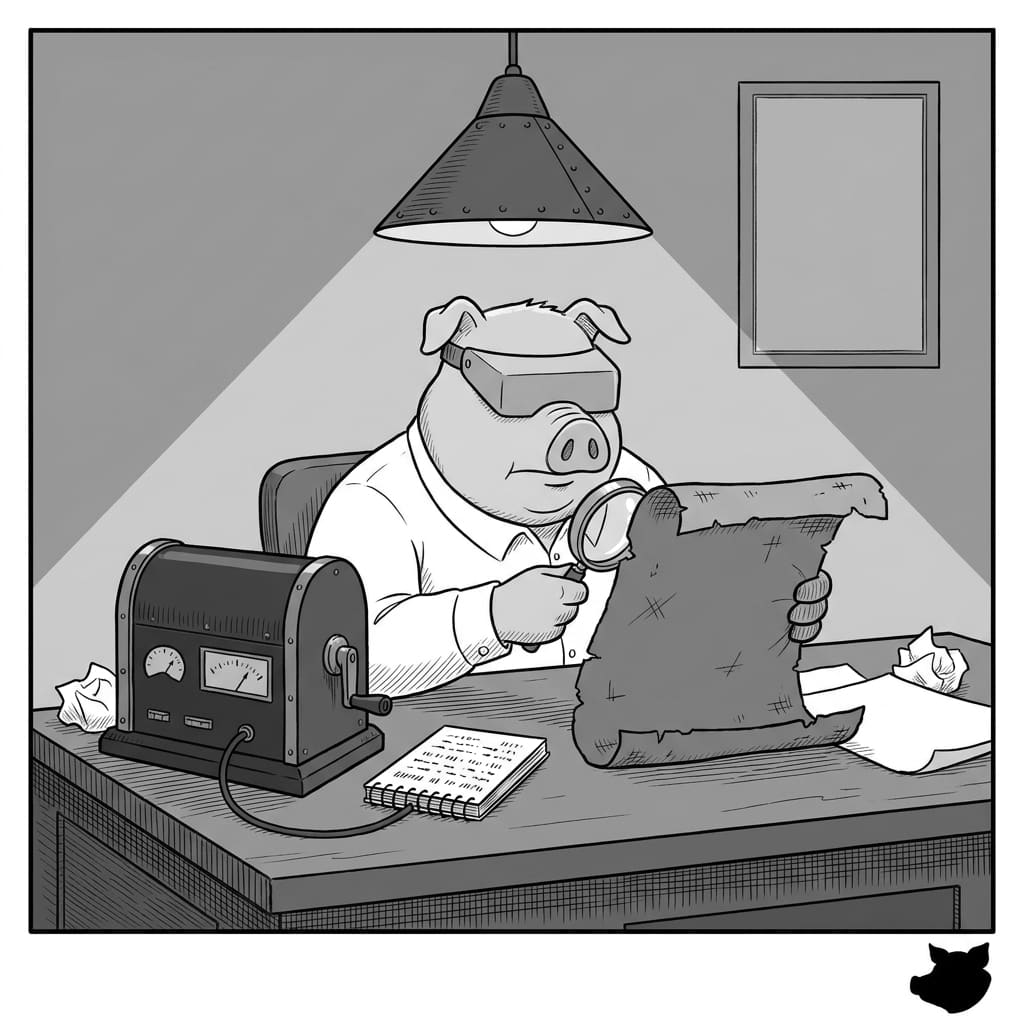
The Historical Autopsy Problem
When it is time to update your resume, staring at a blinking cursor can feel overwhelming. Without real-time notes, professionals often struggle to reconstruct the exact metrics, scope, and operational nuances of projects they led years ago.
This information gap is leading career experts to change how they advise job seekers. In a July 2026 article published by the National Association of Colleges and Employers (NACE), career development expert Hasnain Baxamoosa highlighted this exact frustration. Because most people do not document their achievements as they happen, they cannot fully prove or quantify them later.
Baxamoosa notes that relying solely on memory turns the traditional resume into a "historical autopsy." It becomes a static document that struggles to capture quantifiable metrics or demonstrate a candidate's true value proposition. The proposed solution for 2026 job seekers is a practice called career journaling.
Why Employers Demand Specific Context
Modern hiring managers do not just want to see a list of duties; they want to see proven competencies. Vague bullet points fail to convey how you interacted with your peers or solved problems.
For example, the NACE Job Outlook 2026 Spring Update revealed that 85 percent of employers look for teamwork skills on a resume. Simply writing that you worked on a team will not stand out. You need the context. How large was the team? What was your specific role? Did you resolve a conflict or lead a cross-functional initiative?
If you have not recorded those details, they will likely be lost by the time you are looking for your next job.
How to Start Career Journaling
Career journaling is the discipline of regularly logging your professional experiences, rather than waiting until you are desperate to leave a job. Here is how to build the habit:
- Log Weekly or Monthly: Set a recurring calendar reminder to spend 15 minutes noting what you accomplished.
- Capture the Metrics: Record the exact numbers while you still have access to them. Note budgets managed, percentage increases in efficiency, or the number of clients supported.
- Document the Scope: Write down the software you used, the stakeholders you collaborated with, and the specific challenges you overcame.
Translating the Journal to Your Resume
When you are ready to apply for a new role, your career journal acts as a personal database. Instead of guessing at your past impact, you can pull specific, quantified examples that align perfectly with the job description you are targeting.
Once you have gathered the raw data from your journal, ResumeHog can help tailor a resume to a job description, seamlessly weaving your documented achievements into a focused, highly relevant application.