The Hog Report / Daily Dispatch
2026 Career Advice: Acing the Skills-Based Video Interview
Discover why employers are replacing phone screens with asynchronous video interviews in 2026, and learn how to use the STAR method to ace your recording.
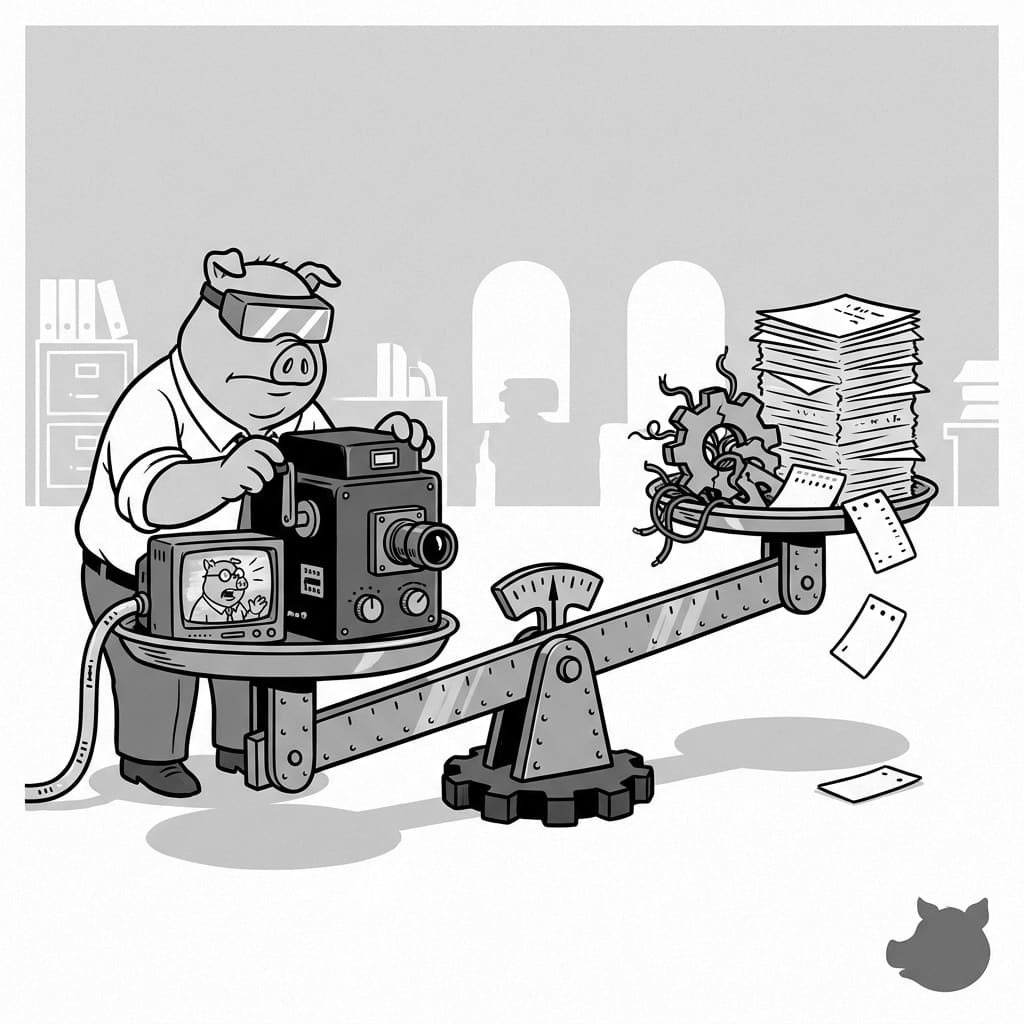
The Rise of the Asynchronous Video Screen
If you have recently applied for a job, you may have encountered a new hurdle before you ever speak to a human recruiter: the one-way video interview. Many candidates are wondering why traditional phone screens are being replaced by automated video prompts and recorded skills demonstrations.
The answer lies in how the hiring landscape has shifted. According to a overview on video recruiting by SHRM, employers are increasingly turning to video as a primary early-stage assessment tool to combat the flood of AI-generated application materials. By requiring candidates to record scenario-based responses or short task demonstrations, hiring managers can verify authentic job readiness rather than relying on self-reported qualifications.
What to Expect in a Skills-Based Video Interview
Instead of a standard conversational get-to-know-you chat, modern asynchronous screens are highly structured. You will typically face:
- Scenario-Based Prompts: You will be given a hypothetical workplace situation and a few minutes to record how you would handle it.
- Recorded Demonstrations: For customer-facing or technical roles, you may be asked to simulate a client interaction or walk through a specific problem-solving workflow.
- Strict Time Limits: Unlike a live interview where you can gauge the interviewer's body language, you only have a set amount of time to deliver your pitch before the recording cuts off.
Mastering the STAR Method on Camera
Because you are speaking to a screen, it is easy to ramble or lose your train of thought. To keep your answers concise and impactful, rely on the STAR method. In its updated September 2026 guide, Indeed recommends using the Situation, Task, Action, and Result framework to structure behavioral responses into an easy-to-follow story.
Here is how to adapt it for a timed video recording:
- Situation: Briefly set the stage. Provide just enough context so the reviewer understands the challenge, but keep it under 20 seconds.
- Task: Define your specific responsibility in that scenario.
- Action: Spend the majority of your time here. Detail the exact steps you took to solve the problem, highlighting your applied skills.
- Result: Close with a measurable outcome. Did you save time, increase revenue, or resolve a client escalation?
Actionable Tips for Your Next Recording
Before you hit record, take time to prepare your physical space. Ensure your lighting is positioned in front of you, and keep your background clean and professional. Limit distractions so the reviewer focuses entirely on your skills.
Finally, do not forget that your resume needs to align with the skills you demonstrate on camera. If you are struggling to tailor your application materials to match the exact competencies employers are screening for, ResumeHog can help you highlight the right achievements for your target role.