
The Hog Report / Daily Dispatch
Resume Tips for 2026: The Shift to Applied Skills
Discover top resume tips for 2026. Learn how to highlight applied AI skills, optimize your bullet points, and embrace skills-first hiring to land your next job.
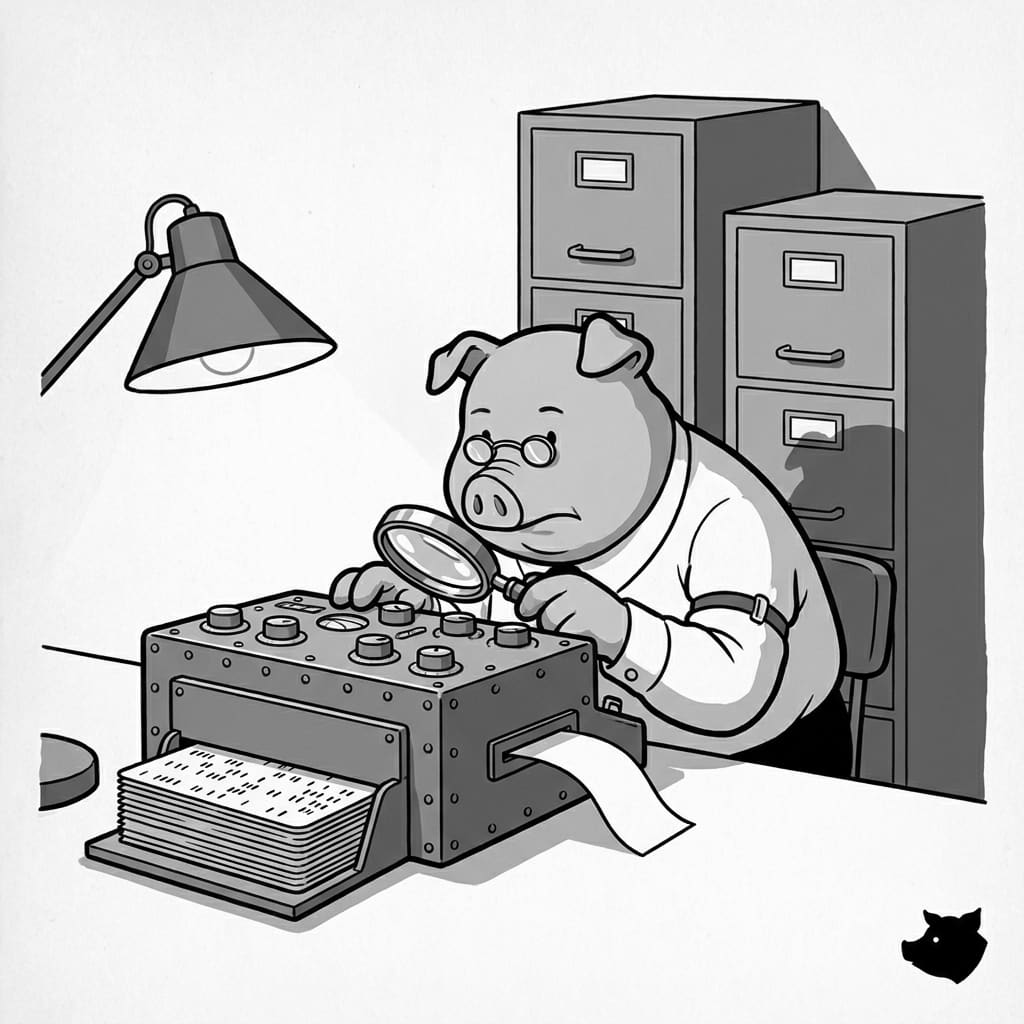
The 2026 Resume Reality: Moving Beyond Buzzwords
Writing a standout resume in 2026 requires a different approach than it did just a few years ago. The landscape of applicant tracking systems and recruiter preferences is shifting rapidly. Today, a successful application is not just a chronological list of your past titles. Instead, it serves as a highly targeted marketing document that proves your exact value to a prospective employer.
As the job market continues to embrace skills-first hiring, job seekers must adapt. Hiring managers are looking for concrete proof of what you can do, not just a summary of where you have worked. Let us dive into the most important resume trends and best practices you need to follow right now to land your next interview.
Stop Keyword Stuffing AI Terms
Artificial intelligence has completely reshaped the modern workplace. Naturally, job seekers are eager to show they are keeping up. According to a March 2026 report from Forbes, almost 13 percent of resumes now include some mention of AI skills. This is a massive jump from just 4 percent in 2023.
However, the report highlights a critical mistake most applicants make. The vast majority of these resumes simply list buzzwords like "Generative AI" or "Artificial Intelligence" without any context. To truly impress a hiring manager, you must move beyond generic terms. Recruiters want to see applied skills. Instead of just listing acronyms, detail the specific tools, frameworks, and methods you have used to improve workflows or save money. If you need help phrasing these achievements, an AI-powered tailoring tool like ResumeHog can instantly help you contextualize your tech skills for the specific job description.
Make Your First Bullet Point Count
When a recruiter opens your document, their eyes naturally scan the page in specific patterns. You need to capture their attention immediately. As detailed in a comprehensive resume guide from Forbes, heat mapping research reveals that recruiters tend to read the very first bullet point under each job entry before moving on to the next role.
This means your first bullet point is the most crucial piece of real estate in your experience section. Do not waste it on a mundane summary of your daily duties. Put your biggest, most quantifiable achievement right at the top. Use strong action verbs and include metrics to show the exact impact you had on the business.
Furthermore, do not forget about the human element. The same Forbes guide notes that 93 percent of employers want to see soft skills included on candidate resumes. Communication, project management, and analytical thinking are highly sought after. Build bullet points that demonstrate how your leadership and communication directly led to positive business outcomes.
Embrace the Skills-First Shift
The transition toward skills-first hiring is not just a passing trend. It is fundamentally changing how companies recruit talent. The specific requirements for roles are evolving faster than ever. According to the LinkedIn Economic Graph, the skill sets for jobs have changed by roughly 25 percent since 2015, and that number is projected to double by 2027.
Because job requirements are shifting so rapidly, employers are realizing that traditional credentials are not enough. The LinkedIn data also shows that hirers who leverage skills data are 60 percent more likely to find a successful hire compared to those who ignore it. For your resume, this means your skills section must take center stage. Tailor your skills explicitly to the job description, ensuring that you match the exact phrasing the employer uses.
Formatting Best Practices for Today
While the content of your resume is paramount, the formatting ensures that both human recruiters and automated systems can actually read it. Here are a few evergreen formatting tips to keep in mind:
- Keep it simple: Avoid overly complex templates, graphics, or multiple columns. Standard formatting is always the safest bet for passing through automated screening software.
- Ditch the photo: Unless you are applying for a highly specific creative or acting role, leave your headshot off the document. Standard corporate applications do not require them, and they can sometimes cause automated parsers to reject your file.
- Watch your margins: Do not stretch your margins to the absolute edge of the page just to fit more text. A document crammed with words is exhausting for a recruiter to read. Give your text plenty of white space to breathe.
By focusing on applied skills, leading with your strongest achievements, and maintaining a clean format, you will build a resume that easily navigates modern screening tools and catches the eye of hiring managers.