
The Hog Report / Daily Dispatch
Proving Your Professionalism in 2026 Behavioral Interviews
Discover how to answer behavioral interview questions in late 2026. We break down new NACE data on the exact skills employers say candidates are missing.
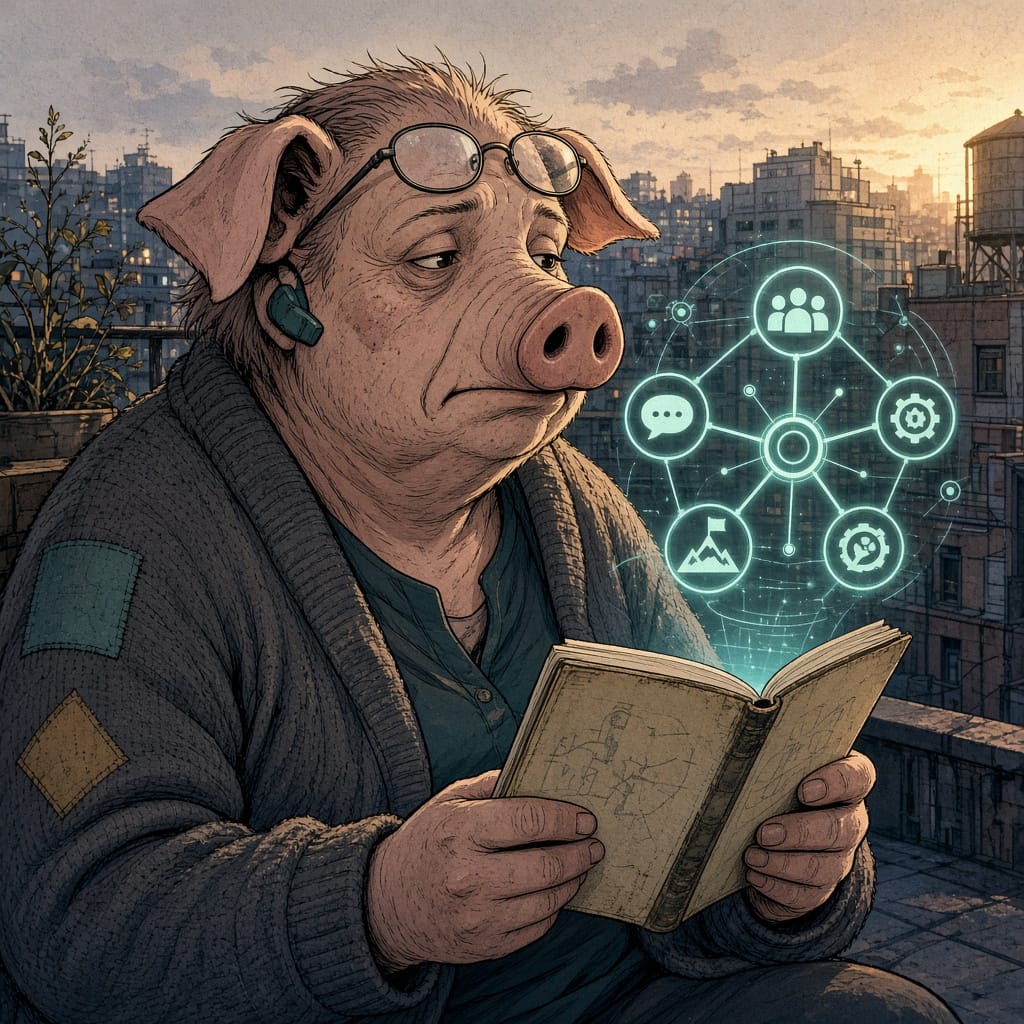
The 2026 "Soft Skills" Perception Gap
If you are preparing for a job interview in late 2026, you might assume that your technical abilities or software certifications are the main event. But while technical fluency gets you in the door, employers are actually focused on the human competencies they feel candidates are missing.
Recent data reveals a massive perception gap between how candidates view their own readiness and how employers evaluate them. According to the October 2026 State of Career Readiness benchmark study by the National Association of Colleges and Employers (NACE), many students overestimate their professional readiness.
An analysis of NACE's competencies data pinpoints the exact disparities. When comparing candidate self-assessments to employer ratings, researchers found a 35-point gap in leadership (with 66% of students rating themselves proficient versus just 31% of employers agreeing) and a 29-point gap in professionalism.
NACE researchers concluded that this is largely an "evidence problem." Candidates struggle to articulate how their past experiences, whether coursework or campus jobs, translate into the core competencies employers want.
Why Behavioral Interviews Are Replacing the GPA Screen
With 70% of employers now reporting the use of skills-based hiring for entry-level roles, traditional screening tools are fading fast. NACE's Job Outlook 2026 survey data noted that only 42% of employers still screen by GPA, which is a massive drop from 73% in 2019.
To evaluate non-technical skills without relying on a degree or GPA, employers rely heavily on structured behavioral interviews. They want to hear concrete stories that prove you can handle ambiguity, communicate effectively, and maintain professional boundaries.
How to Answer Behavioral Questions About Professionalism and Critical Thinking
To close the evidence gap during your next interview, use these data-backed strategies:
1. Map Your Experience to the Competencies
Before the interview, audit your background specifically for moments of leadership, professionalism, and critical thinking. If you lack corporate experience, that is fine. Competency mapping involves tagging your academic projects, part-time retail jobs, or volunteer work with the specific skills they required. Resolving a scheduling dispute at a campus job is a perfectly valid example of professionalism and communication.
2. Structure Your Answers with the STAR Method
When asked questions like "Tell me about a time you had to adapt to a sudden change" or "Describe a situation where you had to communicate a complex problem to a team," use the STAR method (Situation, Task, Action, Result).
- Situation and Task: Briefly set the scene without getting bogged down in industry jargon.
- Action: Focus heavily on your specific steps. How did you break down the problem? How did you manage your emotions in a stressful moment?
- Result: Quantify the outcome if possible, but also include a brief reflection on what you learned about professional communication or problem-solving.
3. Define the Boundaries of Professionalism
When answering a behavioral question about a conflict, explain how you consciously chose to de-escalate the situation, maintain a respectful tone, and focus on the business outcome rather than personal frustration.
Preparation is Key
The data is clear. Employers in late 2026 are actively looking for evidence of your critical thinking and professional maturity. While tools like ResumeHog can help you tailor your resume to get past the initial Applicant Tracking System (ATS), it is up to you to vocalize the evidence during the interview. By mapping your experiences to these specific competency gaps, you can prove you have the human skills employers are desperate to hire.