
The Hog Report / Daily Dispatch
November 2026 Hiring Trends: AI Video Laws and the Job Market
Discover how the late 2026 job market is stabilizing, plus what new AI video interview laws and skills-based hiring data mean for your search.
A Stabilizing Fall 2026 Job Market
If you feel like your job search is moving slowly this November, the latest economic data confirms a cautious but steady hiring environment. According to the November 3, 2026 JOLTS report by the U.S. Bureau of Labor Statistics, job openings held steady at 7.5 million in September. Meanwhile, total hires changed little at 5.4 million. The era of massive hiring surges has cooled into a "low-hire, low-fire" market where employers are taking their time to find the perfect candidate.
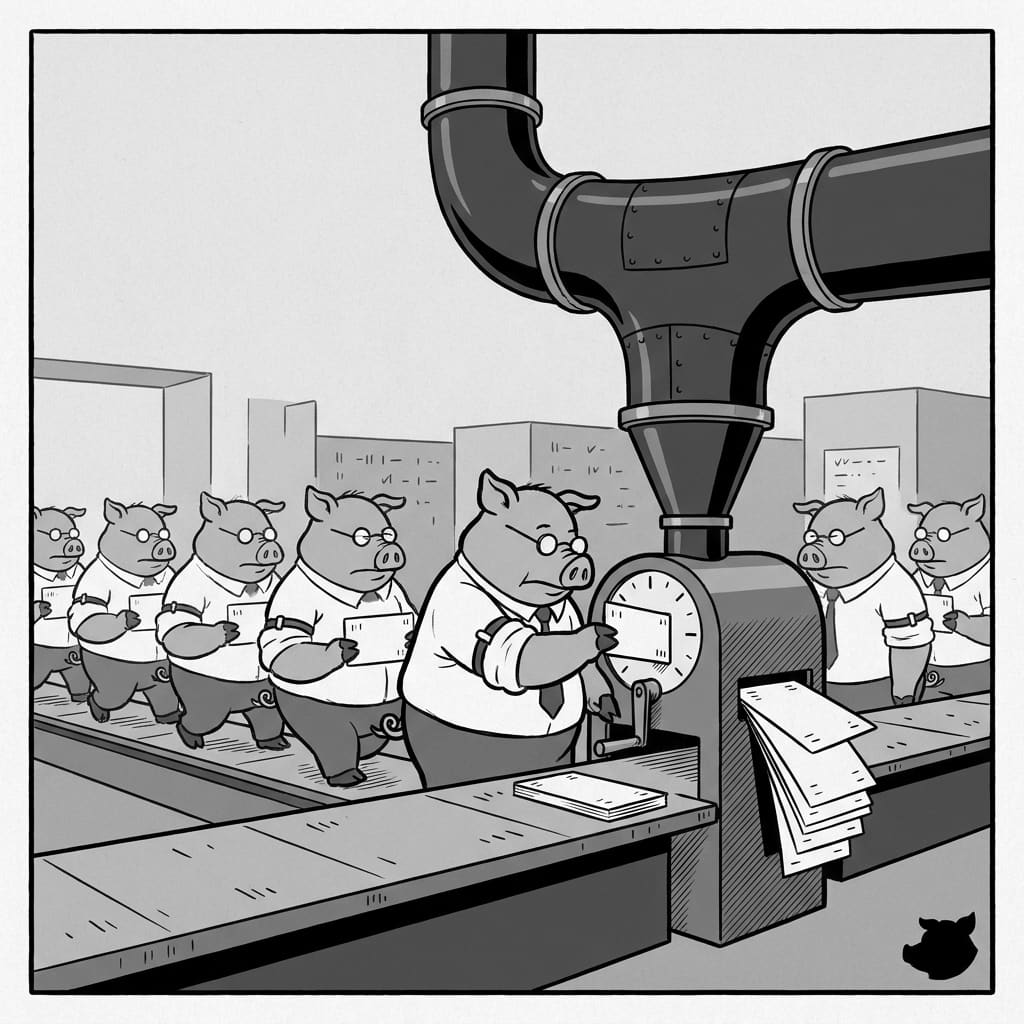
Because companies are seeing high application volumes for fewer open roles, candidates are increasingly turning to generative AI to speed up their applications. However, this tactic is leading to overloaded Applicant Tracking Systems, pushing employers to rely more heavily on algorithmic screening.
New Regulations on AI Video Interviews
As employers turn to automated screening to handle the flood of resumes, lawmakers are stepping in to protect candidates. A major shift occurred when Illinois strengthened its Artificial Intelligence Video Interview Act. According to a 2026 legal compliance overview by Introl, the February 2026 amendments replaced implicit candidate consent with a strict requirement for explicit written consent. The updated law also requires detailed written explanations of how the AI functions and mandates a strict 30-day deletion rule for candidate data.
For job seekers, this regulatory push means you should expect more transparency. If an algorithm is tracking your facial expressions or vocal tone during a pre-recorded screening, employers in Illinois are legally obligated to inform you beforehand and secure your sign-off.
The Reality of Skills-Based Hiring
Employers have spent the last few years championing "skills-based hiring" over traditional degree requirements. However, research from the American Enterprise Institute highlights a massive gap between corporate intent and actual impact. Their analysis found that simply dropping stated degree requirements resulted in a net increase of only 0.14 percentage points in incremental hiring for candidates without degrees.
Degrees and traditional markers of experience still hold significant weight because internal screening workflows have not caught up to public press releases. The shift to skills-based hiring remains a high-level policy that has not yet completely reformed how most organizations process candidates.
How to Adapt Your Q4 Search Strategy
With a cautious hiring market and advanced employer screening, how do you stand out right now?
- Target High-Match Roles: Rather than chasing application volume, focus your energy on precision. Spend time on roles where your core skills align closely with the requirements, rather than firing off hundreds of generic applications.
- Edit Your AI Drafts: If you use generative tools, do not simply copy and paste. Inject your unique professional metrics and specific business outcomes to avoid the look-alike penalty. If you need help refining your format, a purpose-built tool like ResumeHog can help tailor your resume to the job description while maintaining your authentic, human voice.
- Bridge the Access Gap: An uneven playing field is emerging regarding who utilizes new technology. October 2026 data collected by EVY notes a significant gender gap, finding that men are 16 to 22 percent more likely to use generative AI at work than women. Being strategic about adopting technology can give you a distinct advantage, provided you edit the output carefully.
- Prepare for Human Screenings: Because recruiters are overwhelmed by automated spam, networking and internal referrals are becoming even more valuable. A direct human connection bypasses the overloaded screening software entirely and proves you are a real candidate with genuine interest.