
The Hog Report / Daily Dispatch
Late November 2026 Hiring Trends: The Entry-Level Squeeze
Discover why the entry-level job market is shrinking in late 2026, backed by new data, and learn how to adapt your job search strategy.
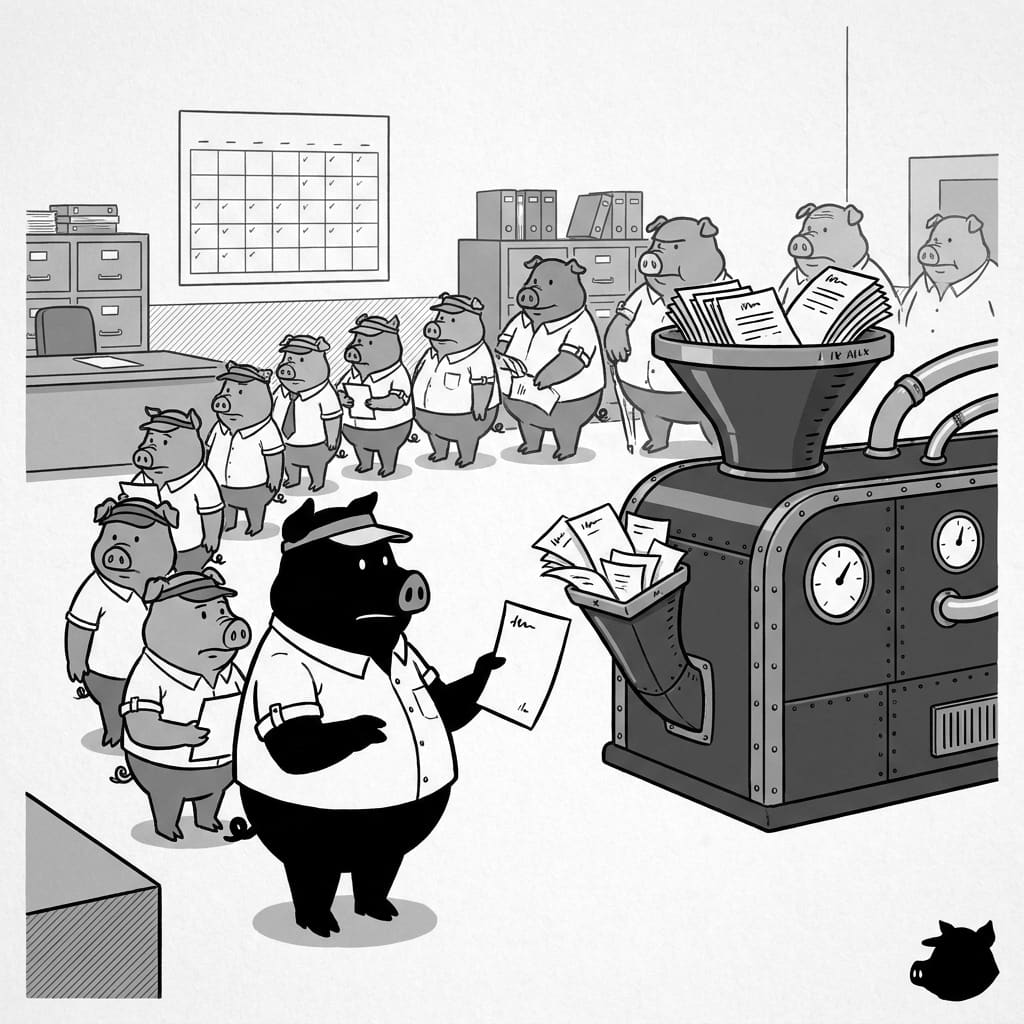
The Bottom Rung of the Career Ladder is Moving Higher
The late 2026 job market is caught in a holding pattern, and junior talent is bearing the brunt of the stagnation. According to the 2027 U.S. Hiring and Worklife Trends Report released by Indeed Hiring Lab and Glassdoor Economic Research on November 18, 2026, the divide between entry-level and senior hiring has widened dramatically.
While top-line economic data looks stable, the mix of available roles has fundamentally shifted. The report reveals that senior-level postings are up 19 percent since January 2025, while entry-level postings have fallen. Employers in a cautious economy are prioritizing workers who can hit the ground running without extensive training. This unprecedented crowding out has severe consequences for recent graduates. The Indeed and Glassdoor data highlights that more than half of 2025 college graduates were underemployed a year after graduating.
Experienced Workers Are Crowding Out Junior Talent
The drop in junior job postings is only half the battle. The applicant pool for the remaining entry-level roles is now flooded with candidates who possess significantly more background than historically required.
Faced with a frozen labor market, companies are raising their requirements. As noted in a November 13, 2026 analysis by Inc. Magazine, employers are explicitly looking for more experienced workers. Job postings in fields such as technology, business, and legal are increasingly asking for six or more years of experience, shying away from people with less. Because modern automation tools can handle many entry-level tasks, employers prefer seasoned professionals who can operate independently.
How to Compete When Entry-Level Is Not Truly Entry-Level
If you are entering the workforce or making a career pivot in late 2026, you cannot rely on academic credentials alone. You must adapt your application strategy to compete with seasoned professionals.
- Emphasize applied skills over theory: Employers want proof you can do the job on day one. According to 2026 research from NACE, about 70 percent of employers now use skills-based hiring when recruiting entry-level candidates, meaning they look more at what a person can do rather than just their degree or grade point average.
- Build a proof of work portfolio: Do not just tell hiring managers you have skills. Show them. Link to a digital portfolio, a code repository, or a detailed case study of a project you completed from start to finish.
- Optimize your resume for the exact role: A generic resume will fail against highly experienced applicants. If you use a platform like ResumeHog to tailor your resume to a job description, ensure it highlights the precise technical competencies the employer requests.
- Target resilient industries: The entry-level squeeze is most severe in tech and corporate services. Consider looking at sectors like healthcare, skilled trades, and government, which continue to show broad-based hiring demand.
The transition from a degree to a career has rarely been more competitive. By understanding the data and shifting your focus to measurable, practical experience, you can still secure a foothold in the late 2026 job market.