
The Hog Report / Daily Dispatch
Hiring Trends for August 2026: AI Interviewers and Skills-Based Focus
Discover the latest August 2026 hiring trends. Learn how the rise of AI interviewers and skills-based hiring impacts your job search and resume strategy.
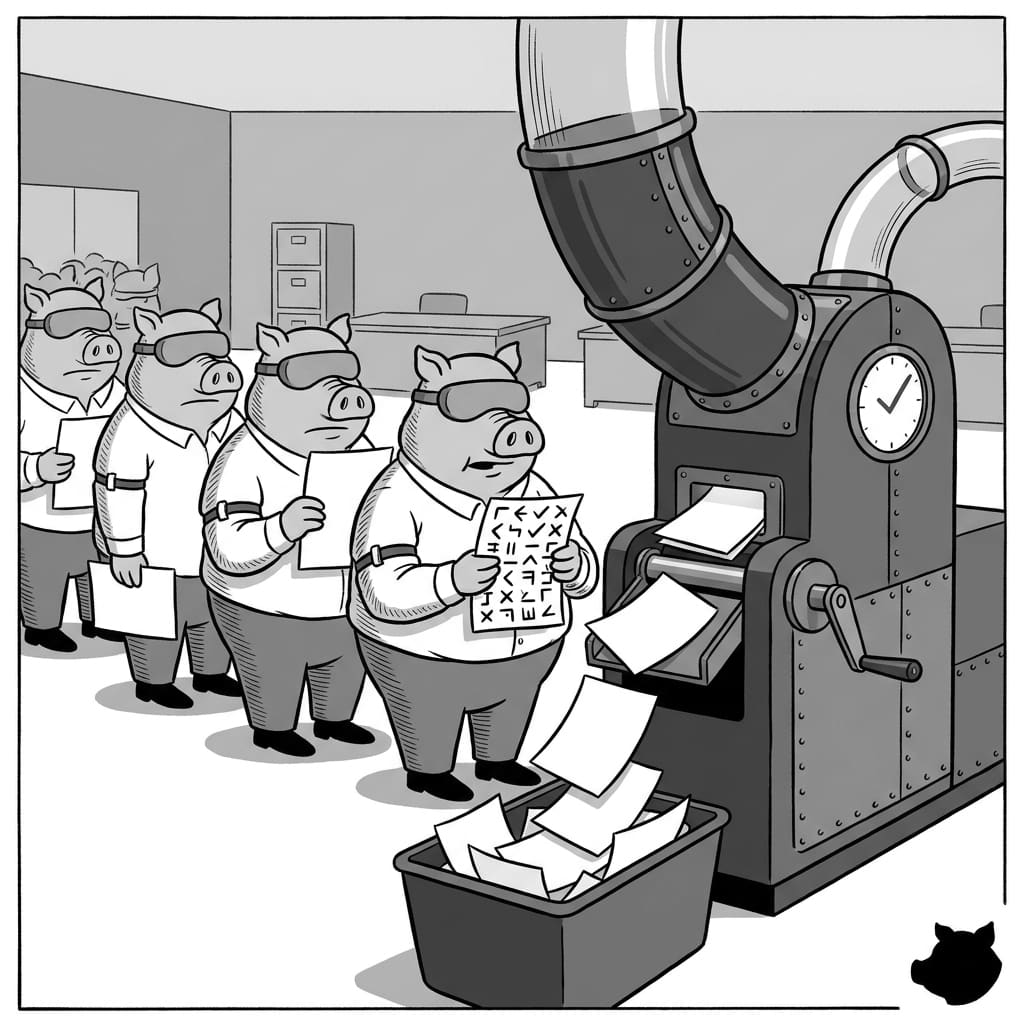
Navigating the Late 2026 Labor Market
As we head toward the end of summer in August 2026, the job market continues to send mixed signals to job seekers. If you have been searching for a new role recently, you probably already know that the landscape feels highly competitive. According to the Bureau of Labor Statistics, the national unemployment rate held relatively steady at 4.1 percent in July 2026, with the total number of unemployed people sitting at 6.9 million. While overall hiring has cooled compared to the frantic pace of previous years, certain sectors like healthcare continue to trend upward. For job seekers, this means that while opportunities certainly exist, standing out from the crowd requires a much more targeted and strategic approach than ever before.
Skills-Based Hiring Takes Center Stage
One of the most significant and positive hiring trends right now is the massive shift away from traditional degree requirements toward skills-based hiring. Companies are finally realizing that finding the right candidate means looking beyond past job titles or the prestige of a university name. Employers want to know exactly what you can do and how your specific abilities will translate into business value.
A detailed report from McKinsey & Company emphasizes that organizations can maximize their return on talent by building a skills-based strategic workforce planning capability. The report notes that when companies combine skills-based hiring with tailored learning journeys, they create a highly effective talent engine. They are actively rethinking their hiring processes to evaluate candidates on intrinsic traits and demonstrated competencies.
For you, this trend highlights the critical importance of explicitly stating your technical and soft skills on your resume. You can no longer rely on a vague summary of your past duties. If you are struggling to map your skills to a specific job description, tools like ResumeHog can help you instantly tailor your resume to match the exact competencies employers are searching for, saving you hours of formatting time.
The Rise of AI Interviewers
We all know that applicant tracking systems have used artificial intelligence to scan resumes for years. However, the technology is now aggressively moving into the interview phase, fundamentally changing how candidates make their first impression. A recent July 2026 article from the Society for Human Resource Management (SHRM) highlights the rapid emergence of AI interviewers. These conversational systems conduct structured candidate interviews through chat, voice, or even video platforms.
Because recruiters are managing soaring application volumes, they are increasingly turning to these automated systems to handle initial screenings. The SHRM report notes that while experts caution these systems are not a perfect turnkey solution, they are becoming a standard hurdle for job seekers. You must be prepared to articulate your value clearly to a machine before you ever speak to a human hiring manager. This requires excellent communication skills and a deep understanding of the keywords related to your industry.
How to Optimize Your Application Strategy
Understanding these macro hiring trends is only half the battle. You need to translate this knowledge into a proactive job search strategy. With recruiters leaning heavily on automation and skills assessments, your approach must be both systematic and highly personalized.
First, audit your online presence and your master resume. Ensure that your LinkedIn profile and your standard resume highlight measurable achievements. Did you increase sales by a specific percentage? Did you reduce processing time by several hours a week? Put those numbers front and center. Recruiters and AI systems alike prioritize candidates who can prove their impact through data.
Second, recognize that volume applying with a generic resume is a losing strategy in 2026. Because automated systems are rigorously checking for skills alignment, a mismatched resume will be rejected almost instantly. Taking the time to adjust your bullet points for each application is nonnegotiable. This is another area where an AI-powered tailoring tool like ResumeHog provides a massive advantage by automating the customization process.
Actionable Tips for Your Next Interview
Once you get past the initial resume screen, you need to prepare for the evolving interview process. Here are three actionable steps you can take today to improve your chances of passing both human and AI evaluations.
- Focus on specific skills: Instead of listing generic responsibilities during your interview, detail the exact tools, software, and methodologies you use daily. Speak in terms of problems solved and skills applied.
- Practice for AI screenings: Record yourself answering common interview questions on video. Speak clearly, maintain good pacing, and ensure your answers directly address the core competencies required for the role. AI systems often analyze transcriptions for keyword density, so be explicit about your technical abilities.
- Prepare for skills assessments: Be ready to take short technical tests or provide portfolio examples early in the hiring process. Since employers are prioritizing skills over degrees, they will want proof of your capabilities before moving you to a final round.
The late 2026 hiring landscape requires a careful blend of human authenticity and technical optimization. By understanding how recruiters are utilizing new technologies and shifting their evaluation criteria, you can position yourself as the ideal candidate in a crowded market. Stay focused, keep refining your skills, and approach every application with a targeted strategy.