
The Hog Report / Daily Dispatch
Burger King AI Interview: What Applicants Actually Face
Is the viral Burger King AI interview real? Learn what fast-food chains actually use for automated screening and how to pass AI text and voice screens.
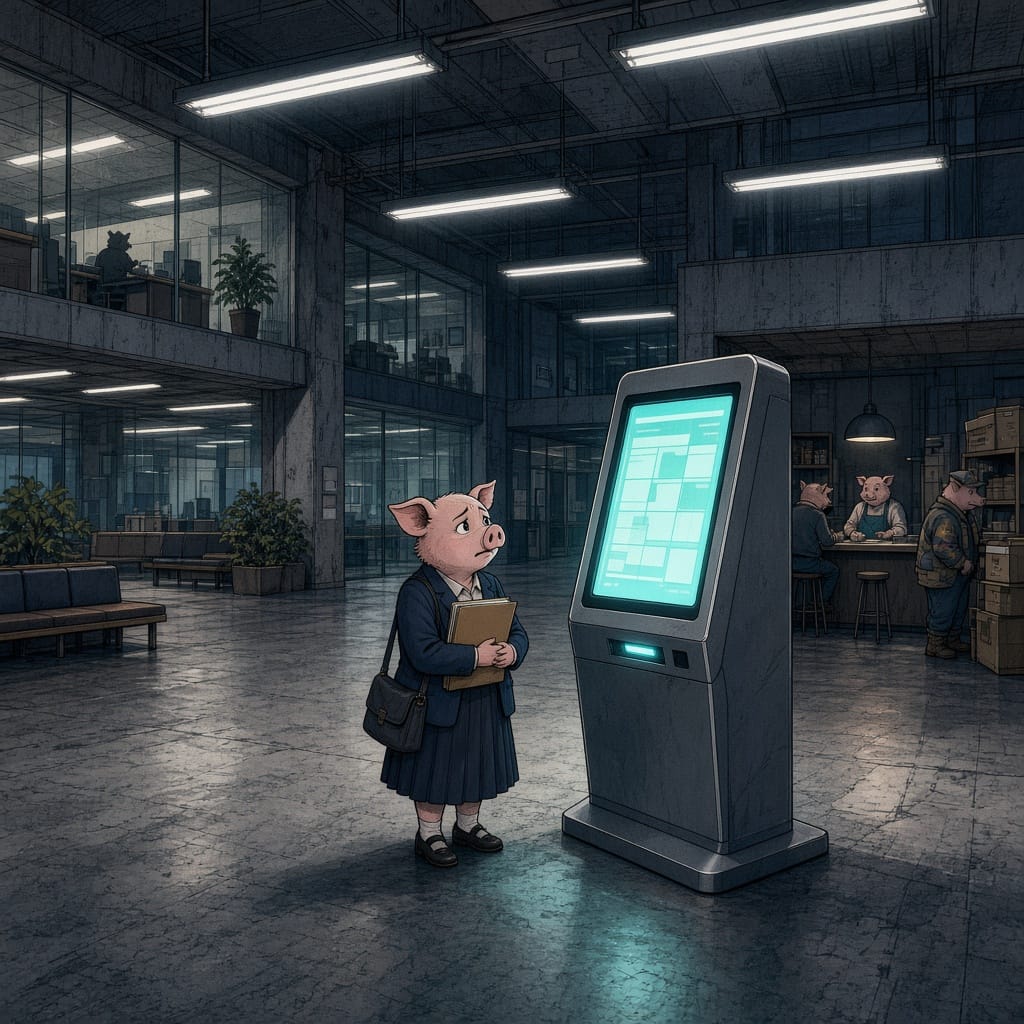
If you are applying for a fast-food job and worried about facing a combative AI video avatar named "Karen" offering $4 an hour, you can relax. That viral clip is not a real Burger King AI interview. According to a Snopes fact-check published November 12, 2026, the video was a comedy skit made by content creator Nick Reid, and Burger King stated on November 10, 2026 that it does not use - nor is it aware of any U.S. or Canadian franchisee using - a tool like the one in the clip.
Even though the video is satire, it struck a nerve because automated hiring really is the front door for most hourly restaurant jobs. Here is what Burger King franchisees and other fast-food chains actually use to screen candidates, and how to get through the process smoothly.
Why People Believed the Viral Skit
The skit felt plausible because AI screening has become routine across the U.S. job market. In the Greenhouse 2026 Candidate AI Interview Report published May 1, 2026, which surveyed 2,950 active job seekers across five countries, 63% of respondents said they had already experienced an AI interview. At the same time, 70% said they were not clearly told upfront that AI would evaluate them, and 38% said they had walked away from a hiring process because it included an AI interview.
When applicants are already frustrated by opaque automated systems, a video of an AI interviewer losing its temper looks only slightly exaggerated. Still, the details in the clip gave it away: as Snopes noted, the $4 hourly rate mentioned in the skit falls below the $7.25 U.S. federal minimum wage.
What Burger King Franchisees Actually Use
Because most Burger King restaurants are independently owned franchises, the exact application process depends on the operator. However, documented vendor case studies show that Burger King franchisees rely on conversational AI for three main tasks: mobile pre-screening, answering basic candidate questions, and booking in-person interviews.
- Text and self-scheduling platforms: In a November 17, 2026 announcement, hourly hiring platform Workstream reported that its AI agents operate across more than 35,000 locations, including 46 of the top 50 quick-service restaurant brands such as Burger King, and have handled over 1 million Voice AI minutes. One 26-location Burger King franchise group, Viking Restaurants, used Workstream's mobile hiring and self-scheduling tools to increase interview completion rates tenfold.
- Two-minute conversational screening: Starboard Investments, a large Burger King franchise operator, deployed conversational AI from AMS across 43 restaurant locations starting in April 2024. The system screened candidates against predefined criteria and scheduled interviews in under 2 minutes, reducing time-to-hire by 21%.
- QR-code and 24/7 chat screening: In international and regional operations, Burger King has also partnered with Emi's AI recruitment platform, which lets applicants scan in-store QR codes, match with nearby locations, complete automated chat pre-screening, and book interviews. According to Emi, that setup cut time-to-fill by 30% and lifted first-interview attendance above 90%.
Notice what is missing from all of those systems: a judgmental video avatar grilling you on camera. Fast-food operators use AI primarily to replace phone tag so store managers do not have to spend their shifts calling applicants to ask about weekend availability.
How to Prepare for a Fast-Food AI Screen
Whether you apply to Burger King or another major quick-service chain, your first interaction will likely be an automated text message, web chat, or short voice AI call. A few practical habits will help you get past the bot and in front of a hiring manager.
- Reply quickly to the first text or chat link. High-volume hiring tools fill interview calendars on a first-come, first-served basis. Because systems like Hourly by AMS move candidates from screening to a booked slot in under 2 minutes, waiting a day or two can mean the open shifts are already taken.
- Give clear, direct answers to logistical questions. Automated screeners filter on basic requirements: whether you meet the minimum age for the role, your legal work authorization, your commute distance, and which shifts you can work. Keep your answers straightforward so the system parses them accurately.
- Treat Voice AI calls like a real phone screen. If a franchise uses a voice agent to conduct an initial phone screen, take the call in a quiet room, speak at a steady pace, and avoid talking over the prompt. Even when an AI runs the call, the transcript and summary are sent to a human manager who decides whether to hire you.
- Watch for scams that mimic bots. Real fast-food hiring bots ask about availability, experience, and interview times. They should never ask for your Social Security number, bank details, or payment before you have an official offer and move into formal onboarding.
For entry-level crew roles, you may not even need a traditional resume to get through the initial chat screen. If you are applying for shift supervisor, assistant manager, or corporate hospitality roles that do ask for one, ResumeHog can help you tailor your resume to the job description so your customer service and operations experience stands out once a human manager reviews your file.