
The Hog Report / Daily Dispatch
August 2026 Hiring Trends: How AI is Rewriting the Rules of Recruiting
Discover how AI is shifting the August 2026 hiring landscape. Learn what new ATS systems, AI-generated resumes, and recruiter insights mean for your search.
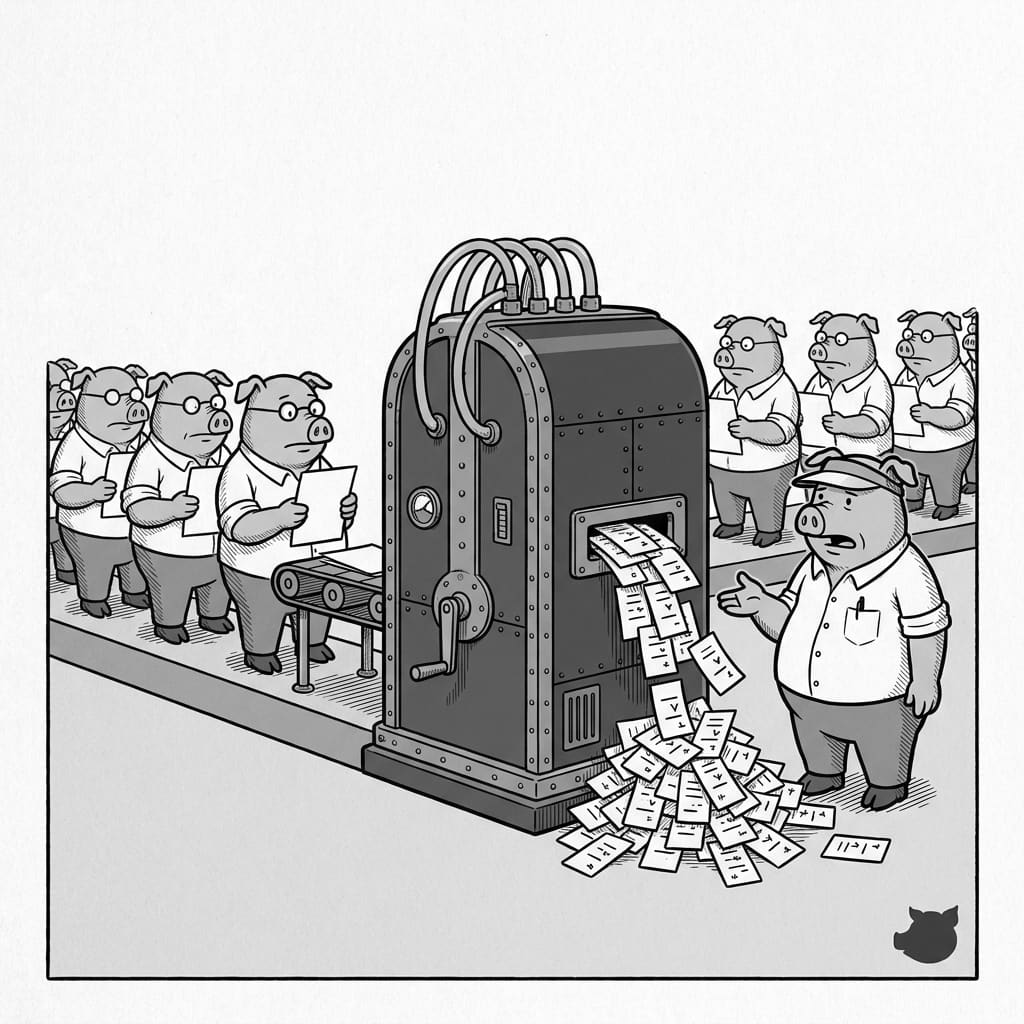
August 2026 Hiring Trends: The New Era of AI Recruiting
Welcome to late August 2026. If you have been applying for jobs recently, you might feel like the process has become completely unrecognizable compared to just a few years ago. You are not imagining things. The job market is undergoing a massive shift, and artificial intelligence is at the very center of it all.
For job seekers, understanding how hiring managers and recruiters are using new technology is no longer optional. It is a mandatory part of your career strategy. Today, we are breaking down the latest hiring trends, how applicant tracking systems are evolving, and what you can do to stand out in an increasingly automated world.
AI is Officially the New Recruiting Standard
We have moved past the experimental phase of artificial intelligence in human resources. AI is now a daily operational tool for talent acquisition teams across the country. Companies are relying heavily on automation to manage the overwhelming volume of applications they receive for every open role.
The numbers speak for themselves. According to the latest data on the future of work from SHRM, 51% of organizations now use AI in their recruiting processes. This makes recruiting the top HR function for AI adoption right now.
What does this mean for you? It means your resume is almost certainly being read, parsed, and scored by a machine before a human being ever sees it. Modern ATS platforms are not just digital filing cabinets anymore. They actively rank candidates based on keyword matching, contextual skills, and historical hiring data.
The Double-Edged Sword of AI-Generated Resumes
While employers are using AI to screen candidates, job seekers are using AI to write their applications. It has never been easier to tailor a cover letter or optimize a resume for a specific job description. However, this ease of use has created a significant bottleneck for hiring managers.
Recruiters are becoming fatigued by the sheer volume of artificially generated applications. In a recent insights report on why hiring is harder, Robert Half found that 65% of hiring managers say AI-generated resumes are creating new challenges in their daily workflows.
When everyone submits a flawless, keyword-stuffed document, it becomes incredibly difficult for employers to figure out who actually has the required skills. As a result, companies are adding extra layers of friction to the interview process. Be prepared for deeper skills assessments, more rigorous technical interviews, and highly specific behavioral questions designed to verify your actual experience.
Increased Scrutiny and Compliance in Hiring
As the reliance on algorithms grows, so does the scrutiny surrounding them. Employers are realizing that completely removing human judgment from the hiring process carries significant risks, particularly when it comes to fairness and compliance.
A mid-August 2026 report by the Society for Human Resource Management (SHRM) highlights this exact issue. The publication notes that organizations increasingly use automated tools to screen resumes, score interviews, and rank applicants. However, algorithms trained on historical data can inadvertently amplify existing biases.
Because of these compliance gray areas, human oversight remains a critical part of the final hiring decision. Recruiters are using AI to build their shortlists, but they are relying on human intuition, cultural fit, and verified references to actually extend a job offer. Your goal is to pass the algorithmic filter so you can win over the human decision maker.
Actionable Tips for Your August 2026 Job Search
Knowing how the system works is only half the battle. You need to adjust your strategy to navigate these new hiring realities successfully. Here are a few actionable tips to help you land your next role.
- Balance Automation with Authenticity: It is perfectly fine to use technology to speed up your job search. Tools like ResumeHog are fantastic for helping you tailor your resume to bypass ATS filters efficiently. However, you must ensure your authentic voice still shines through. Never fabricate skills or exaggerate your experience just to match a job description.
- Provide Verifiable Outcomes: Since recruiters are skeptical of generic resumes, you need to prove your worth with hard numbers. Instead of saying you "improved sales," state that you "increased Q3 revenue by 15% through targeted email campaigns." Specific, measurable outcomes are much harder to fake and build instant credibility.
- Prepare for AI-Assisted Interviews: Many companies now use automated video platforms for initial screening. Practice looking directly at the camera, speaking clearly, and using the STAR method to answer behavioral questions so that the software registers your confidence and clarity.
- Leverage the Hidden Job Market: With online application portals flooded with automated resumes, traditional networking is more valuable than ever. Reach out to former colleagues, attend industry events, and try to secure internal referrals. A warm introduction can help you bypass the automated screening process entirely.
Final Thoughts
The hiring landscape in late 2026 is undoubtedly challenging, but it is also full of opportunities for those who know how to adapt. By understanding how employers are utilizing artificial intelligence and adjusting your approach accordingly, you can position yourself as a standout candidate.
Keep your resume focused, back up your skills with real data, and remember that technology should enhance your job search, not replace your unique professional story. Stay persistent, keep your skills sharp, and approach your applications with a blend of modern efficiency and human authenticity.