
The Hog Report / Daily Dispatch
The 2026 Hiring Landscape: How AI Gatekeepers Are Changing the Rules
Discover how AI screening and auto-rejections are reshaping the 2026 hiring landscape, and learn actionable strategies to get your resume past the bots.
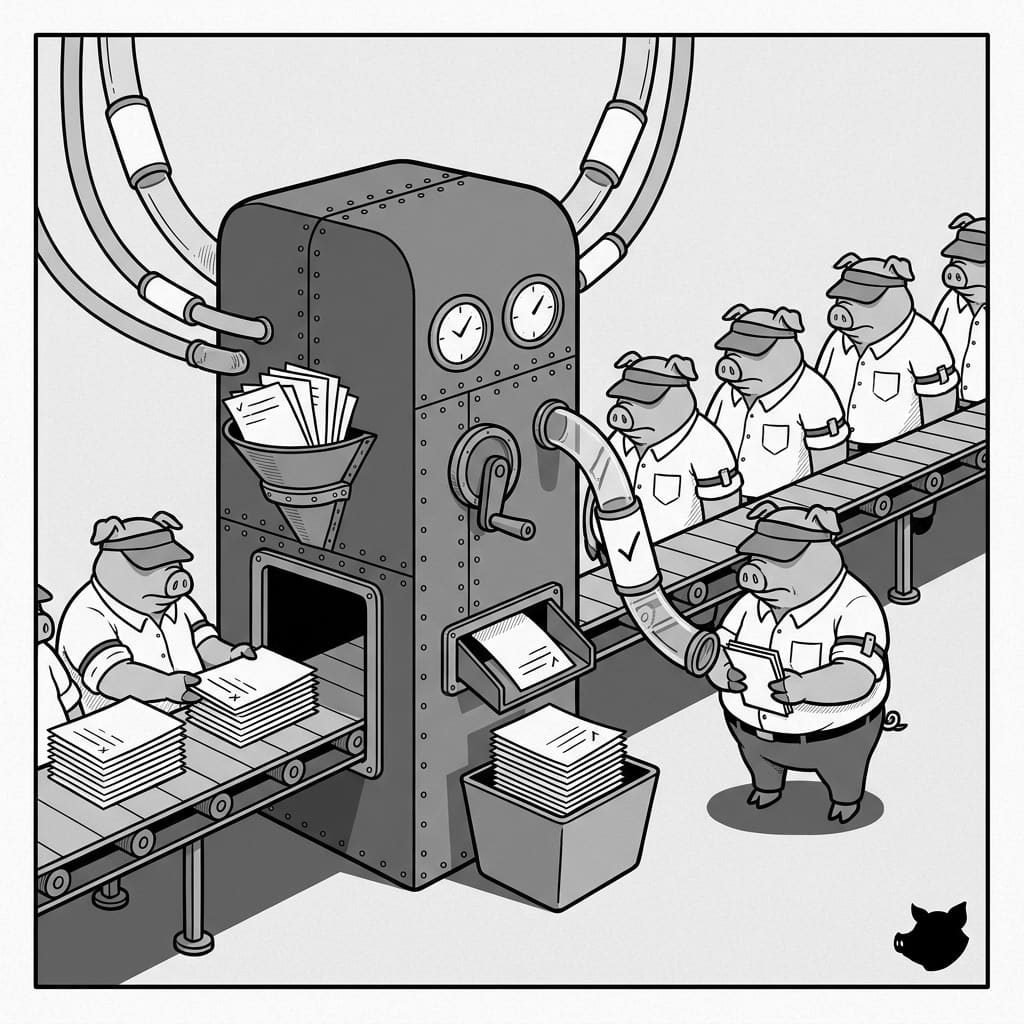
The Rise of the AI Gatekeeper in 2026
If you have been applying for jobs recently and feeling like your resume is disappearing into a black hole, you are not imagining things. The hiring landscape has shifted dramatically over the past year. We have officially entered an era where artificial intelligence is the default first-round gatekeeper for most job applications. Recruiters are overwhelmed by application volume, and they are increasingly relying on sophisticated technology to filter the noise.
According to data compiled by Select Software Reviews from the latest Greenhouse AI Hiring Report, artificial intelligence is now deeply embedded in the recruiting process. Companies are using automated tools for everything from sourcing candidates to conducting initial resume screens. For job seekers, this means your first audience is almost always a machine. If your application cannot clearly communicate your value to an algorithmic screener, human eyes might never actually see it.
The Auto-Rejection Reality
As employers adopt AI to read resumes, candidates have naturally started using AI to write them. However, this technological arms race has created a dangerous trap for unsuspecting job seekers. Many people are relying too heavily on generative tools to write their entire application from scratch, resulting in generic, robotic summaries that recruiters can spot from a mile away.
The backlash from hiring teams has been severe. According to a recent 2026 report from KraftCV, a staggering 49 percent of U.S. hiring managers automatically dismiss resumes they suspect are completely AI-generated. Employers are actively using AI detection software to weed out candidates who appear to be taking shortcuts. The very tools that were supposed to make applying for jobs easier are now getting candidates auto-rejected before a recruiter even has a chance to evaluate their actual skills.
The Right Way to Use AI in Your Job Search
Does this mean you should abandon modern tools altogether? Absolutely not. The secret lies in how you apply the technology. Using automated assistants to refine your ideas is incredibly effective, provided you maintain your authentic voice.
Recent statistics published by JobCannon highlight this critical nuance. Their 2026 data hub reveals that while 62 percent of managers will reject AI resumes that lack personalization, using AI writing assistance as an editor actually increases hiring chances by 7.8 percent. The data clearly shows that AI works best as a sophisticated proofreader and structural guide, not as a ghostwriter.
When you let algorithms generate your entire work history, you lose the specific details, measurable outcomes, and unique personality traits that make you an ideal candidate. The candidates getting hired today are the ones who use technology to polish genuinely human content.
Actionable Strategies to Beat the Algorithms
Navigating this complex new hiring environment requires a strategic approach. You need to satisfy the automated Applicant Tracking Systems while proving your authenticity to the human managers who will eventually review your file. Here are a few ways to strike that perfect balance.
1. Inject Highly Specific Human Details
Algorithms tend to write in broad, sweeping generalizations. They will describe you as a "results-driven professional who optimized workflows." To prove a human wrote your resume, you must provide context that a bot could never invent. Name the specific software you used, detail the exact size of the budget you managed, and explain the unique hurdles your team overcame. Specificity is the ultimate proof of authenticity.
2. Focus on Measurable Outcomes
Instead of listing your daily duties, focus on the tangible impact of your work. Use numbers, percentages, and dollar amounts to quantify your achievements. A recruiter might gloss over a generic summary, but they will always stop to read how you increased sales by 25 percent over six months. Data points demonstrate real-world competence.
3. Leverage Smart Tools Wisely
You do not have to fight the digital hiring system alone. Tools like ResumeHog are designed to help you navigate ATS filters safely. ResumeHog can assist you in tailoring your resume to specific job descriptions, ensuring you hit the right keywords without sounding like a generic chatbot. The platform helps you highlight your actual experience in a format that both machines and humans appreciate.
4. Keep the Formatting Clean
While it is tempting to use creative templates to stand out, complex designs often confuse algorithmic screeners. Avoid using images, charts, and unusual columns. Stick to standard fonts and clear headers. A beautifully designed resume is useless if the ATS cannot parse the text to understand your qualifications.
Final Thoughts
The 2026 job market demands a new level of savvy from applicants. The hiring process has become a battle of algorithms, but the ultimate decision-makers are still human. By using modern tools to refine your application rather than completely generate it, you can bypass the bots and clearly demonstrate why you are the best person for the job.