
The Hog Report / Daily Dispatch
September 2026 Hiring Trends: Decoding Jobs Data and AI Shifts
Discover how the surprising August 2026 jobs report, AI screening trends, and the rise of skills-based hiring will impact your job search this fall.
Navigating the Fall 2026 Job Market
Welcome to September 2026. If you have been feeling the whiplash of the current job market, you are not alone. Between mixed economic signals, shifting remote work policies, and the rapid integration of artificial intelligence in applicant tracking systems, job seekers are facing a landscape that looks completely different than it did just twelve months ago. The good news? The data from the first week of September gives us a clear roadmap of exactly where hiring is heading this fall. Let us dive into the latest trends and what they mean for your career strategy.
The August Jobs Report Brings Relief
Let us start with the biggest news of the week. Yesterday, the Bureau of Labor Statistics released its August 2026 employment situation summary, and it delivered a massive, positive surprise to the market. The U.S. economy added 162,000 nonfarm payroll jobs, which was roughly three times what economists had forecasted just days prior. Meanwhile, the unemployment rate held perfectly steady at 4.1 percent.
For active job seekers, this is a giant flashing green light. The persistent narrative of a stalling summer economy has been paused. Companies in sectors like food services, local government education, and business services are actively writing offer letters and onboarding new talent. However, a strong labor market does not mean companies are simply hiring anyone who applies. While the job volume is there, the mechanics of how companies screen and evaluate candidates have become significantly more rigorous.
The AI Trust Deficit in Recruiting
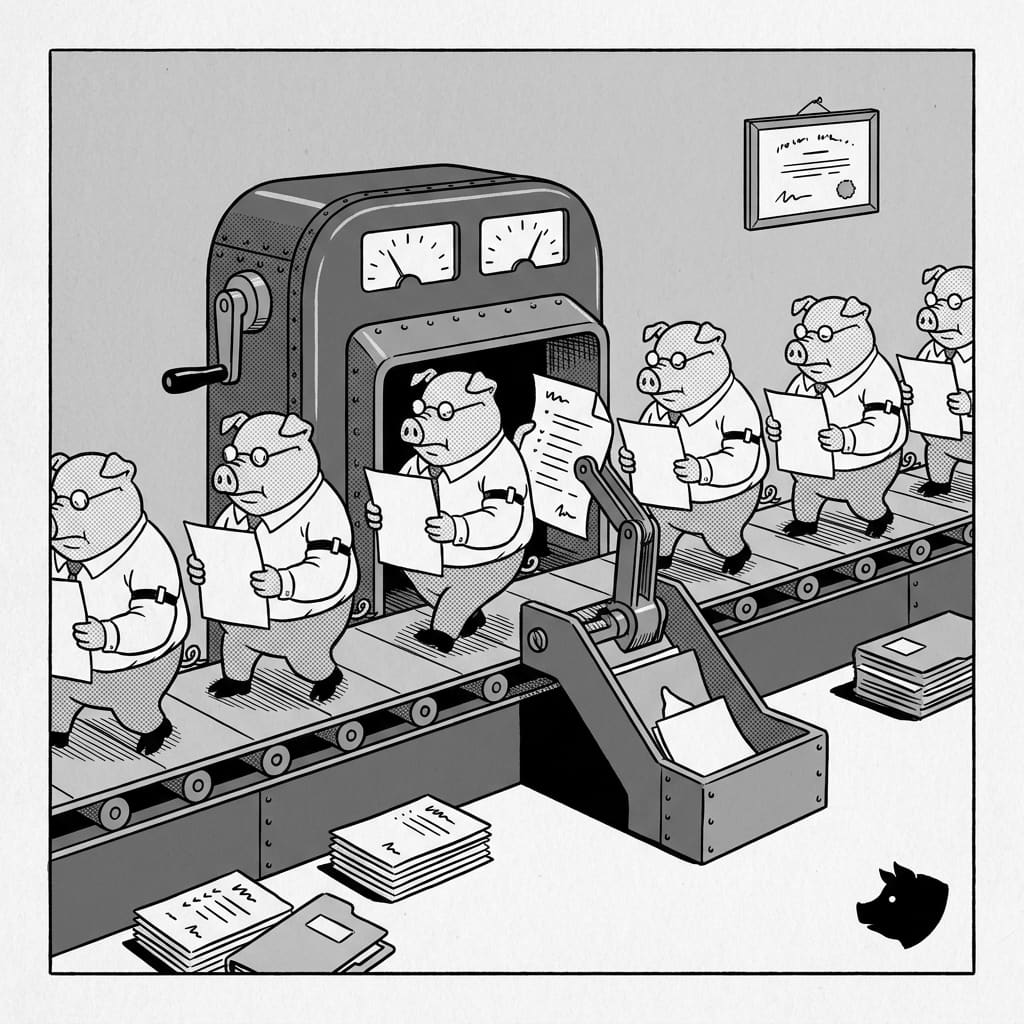
While companies are definitely hiring, the technological tools they use to filter candidates are creating new hurdles. We find ourselves in the middle of an AI arms race between candidates and recruiters. Job seekers are using AI to write resumes and cover letters, and recruiters are using AI to read them.
According to the newly released 2026 AI in Hiring Report by Greenhouse, a staggering 91 percent of recruiters report encountering candidate deception during the hiring process. This includes everything from exaggerated resumes to completely AI-generated interview responses.
Because recruiters are overwhelmed by a massive spike in application volume, they are relying heavily on their systems to screen out inauthentic or overly automated applications. If your resume reads like it was generated by a generic chatbot, it is highly likely to be flagged or discarded by skeptical hiring managers. Your primary goal is to use AI to enhance your workflow without losing your human voice or coming across as deceptive.
The Complete Takeover of Skills-Based Hiring
So, how do you stand out when recruiters are inherently skeptical of perfectly polished, AI-written resumes? The answer lies in the massive shift toward skills-based hiring. Employers are actively moving their focus away from prestigious college degrees and generic job titles. Instead, they are looking for verifiable proof of what you can actually do on the job.
According to new data from the National Association of Colleges and Employers, 70 percent of employers now use skills-based hiring practices, representing a significant jump from 65 percent the previous year. Furthermore, the reliance on traditional metrics like GPAs to screen candidates has dropped dramatically, falling to just 42 percent in 2026.
Employers want to see clear, measurable outcomes and hard skills prominently listed on your resume. They do not just want to know where you worked; they want to know the exact software tools you used, the specific methodologies you applied, and the tangible business results you achieved.
Actionable Steps for Your Fall Job Search
To successfully navigate these late 2026 hiring trends, you need a strategy that blends technological savvy with absolute authenticity. Here are three actionable steps you can take today to update your approach:
- Audit Your Resume for Robotic Phrasing: Remove generic buzzwords and highly automated phrasing. Replace them with specific metrics, realistic language, and human-sounding achievements that reflect your actual voice.
- Highlight Verifiable Technical Skills: Create a dedicated, highly visible section for technical skills, professional certifications, and specific software proficiency. Modern employers are looking for exact keyword matches to their internal competency models.
- Tailor Every Single Application: Sending out a generic, one-size-fits-all resume is the fastest way to get rejected by a modern Applicant Tracking System. You need to align your skills directly with the job description for every role you apply to.
This is exactly where tools like ResumeHog can make a massive difference in your daily search. ResumeHog helps you ethically tailor your real, verifiable experience to match specific ATS requirements in seconds, ensuring you get past the automated filters while still sounding entirely like a human being.
Conclusion
The fall 2026 job market is full of real opportunities for those who know how to play the current game. By understanding the fundamental strength of the recent jobs report, navigating the new AI screening realities with transparency, and embracing a skills-based formatting approach, you can position yourself as the exact candidate employers are searching for right now. Stay authentic, focus heavily on your demonstrable skills, and get ready for a busy hiring season.