
The Hog Report / Daily Dispatch
Resume Tips for Fall 2026: Navigating a Tightening Labor Market
Discover actionable resume tips for late 2026. Learn how to optimize for ATS, highlight measurable outcomes, and stand out in a competitive job market.
The Late-2026 Job Market Reality
If your job search feels a bit sluggish this season, you are not imagining things. According to the Bureau of Labor Statistics Current Employment Statistics program, total nonfarm payroll employment changed little, shedding 23,000 jobs in July 2026. While this is a slight dip, the broader labor market remains relatively stable. The national unemployment rate held steady at 4.1 percent, according to the latest Local Area Unemployment Statistics report.
What does this economic data mean for your daily job search? It means employers are hiring more cautiously. With fewer net new jobs being added, the competition for open roles is intensifying. However, there are still plenty of opportunities available. The most recent Job Openings and Labor Turnover Survey indicates that job openings remained steady at 7.4 million in June 2026. To land one of those roles, your resume needs to be sharper, more targeted, and better formatted than ever before.
ATS Optimization Strategies for a Crowded Field
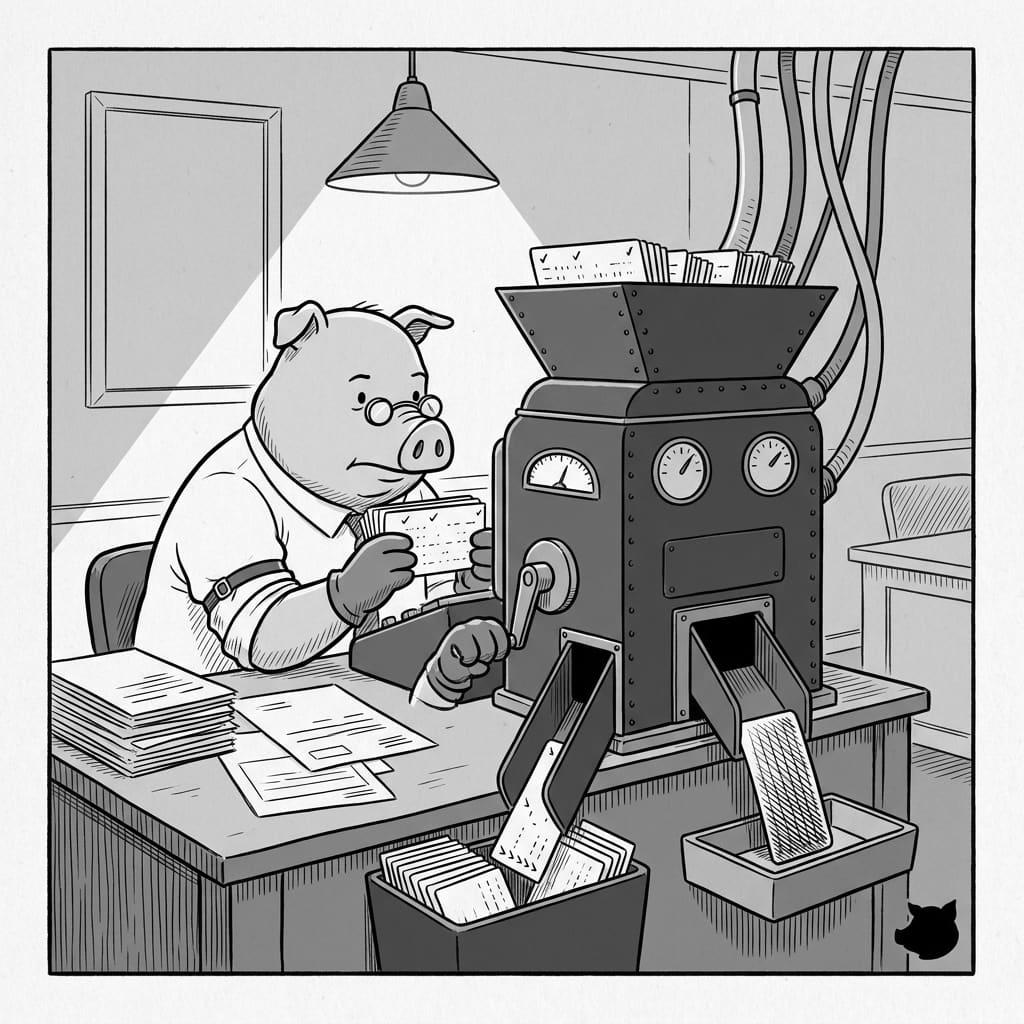
Applicant Tracking Systems, or ATS, are the gatekeepers of the modern hiring process. When employers receive hundreds of applications for a single opening, they rely on software to filter out candidates who do not meet the core requirements. If your resume is not optimized for these systems, a human recruiter might never even see it.
The first rule of ATS optimization is keyword alignment. Read the job description closely and identify the core skills, software programs, and methodologies the employer is requesting. Incorporate those exact terms into your resume, especially in your skills section and professional summary. Do not overdo it by stuffing keywords unnaturally, but ensure the critical terms are present. Tools like ResumeHog can scan the job description and help you tailor your resume keywords efficiently in seconds.
Formatting Best Practices That Still Matter
When trying to stand out, many job seekers make the mistake of overcomplicating their resume format. They add flashy graphics, multiple columns, or unusual fonts. In a tightening labor market, clarity always wins.
Stick to a standard, reverse-chronological format. This layout lists your most recent experience first and works backward. Both ATS algorithms and human recruiters prefer this strict structure because it makes your career trajectory instantly readable.
Use universally recognized section headers like "Work Experience," "Education," and "Skills." Creative headers like "My Journey" or "What I Bring" might confuse older tracking systems. Additionally, save and submit your resume as a standard PDF or Word document unless the application specifically requests otherwise. Text-based PDFs are generally the safest bet to preserve your formatting while remaining machine-readable.
Highlighting Measurable Outcomes
As employers become more selective, they want proof that you can deliver results. A simple list of daily duties is no longer enough to secure an interview. You must transition your bullet points from passive responsibilities to measurable accomplishments.
Instead of writing that you were "responsible for managing a budget," specify the size of the budget and the outcome. Write something like, "Managed a $500,000 annual marketing budget, reducing wasteful ad spend by 15 percent over six months." Numbers, percentages, and dollar amounts catch the eye of the recruiter and provide concrete evidence of your competence.
The Shift Toward Skills-Based Hiring
Another major trend dominating the employment landscape in late 2026 is the pivot toward skills-based hiring. Many forward-thinking organizations are dropping strict degree requirements in favor of demonstrated competencies.
This shift requires an adjustment to how you present your background. If you have acquired highly relevant skills through online bootcamps, specialized certificate programs, or self-taught projects, give those credentials prominent placement. Create a dedicated "Technical Proficiencies" or "Core Competencies" section near the top of the page. This ensures that the first thing a hiring manager sees is exactly what you can do, rather than where you went to school.
Proofread and Refine Your Master Resume
Never underestimate the importance of a flawless document. A single typo can signal a lack of attention to detail, which is a fast track to the rejection pile. Take the time to proofread your resume thoroughly. Read it out loud to catch awkward phrasing, and have a trusted peer review it before you submit.
Keep a comprehensive master resume that lists all your career achievements, projects, and skills. When it is time to apply for a specific role, duplicate the master file and trim away the irrelevant information. By combining a clean format, targeted keywords, and data-driven accomplishments, your resume will be perfectly positioned to cut through the noise and land you your next interview.