
The Hog Report / Daily Dispatch
Mid-November 2026 Hiring Trends: How Agentic AI is Running Recruitment
Discover how agentic AI platforms like Fountain Cue are replacing traditional ATS in late 2026, and what autonomous AI recruiters mean for your job search.
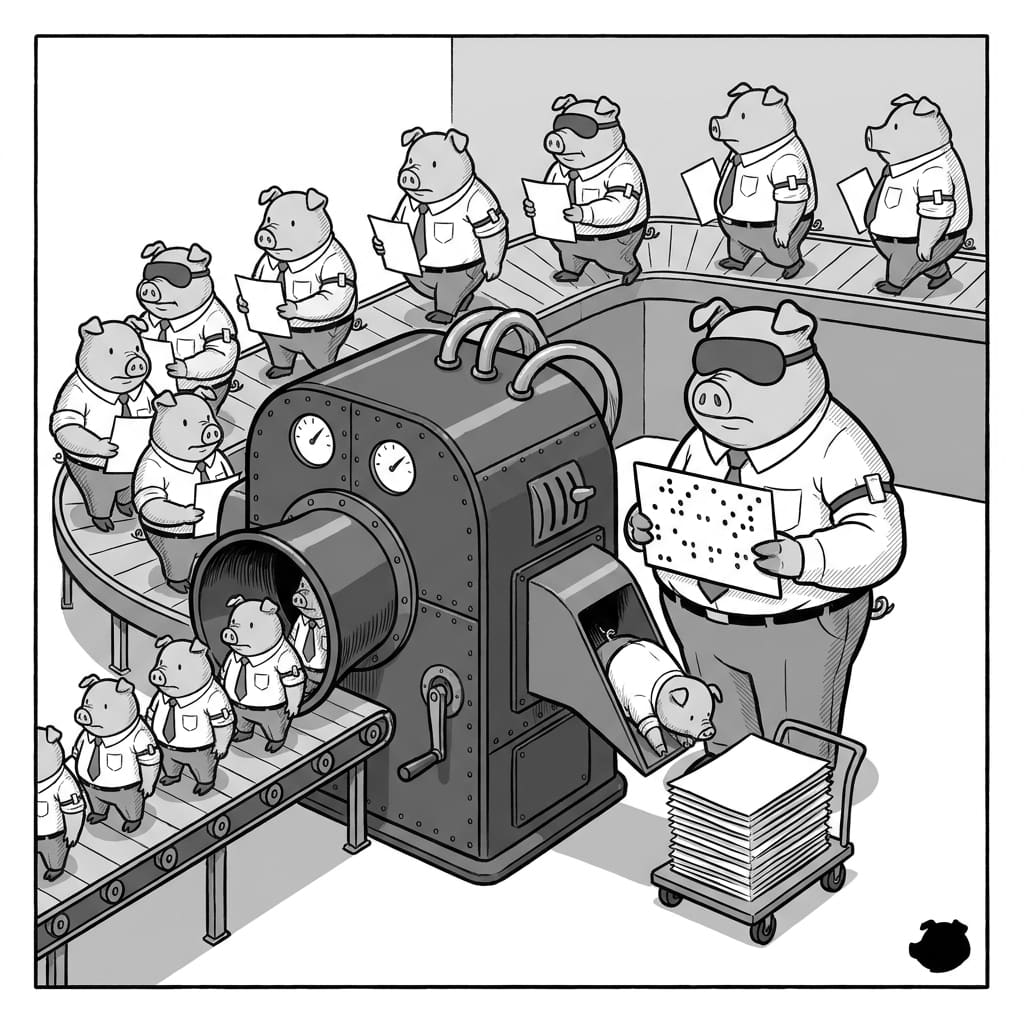
The Late 2026 Job Market and the AI Shift
The U.S. labor market showed a strong rebound heading into the final months of the year. According to the October 2026 Employment Situation report released on November 6 by the Bureau of Labor Statistics, the economy added 165,000 jobs, while the unemployment rate remained stable at 4.1 percent. However, while top-line hiring numbers look positive, the underlying mechanics of how companies actually hire have fundamentally changed.
Employers are facing an unprecedented volume of applications, driving a massive shift in talent acquisition technology. Applicant Tracking Systems (ATS) that simply store and organize resumes are no longer enough for high-volume employers. Instead, companies are rapidly deploying a new class of software called "agentic AI" to handle the heavy lifting.
From Tracking Candidates to Running the Hire
Agentic AI represents a major leap in recruiting technology. Rather than waiting for a human recruiter to review a dashboard and manually move a candidate to the next stage, an agentic AI system receives a goal and executes the required workflow on its own.
A November 13, 2026 analysis from Fountain highlights this transition, noting that when agentic AI does the hiring work, human resources teams stop running each step by hand and start supervising outcomes. For example, Fountain's Frontline Superintelligence platform uses an orchestration layer called Cue. A hiring manager can simply instruct the system to "hire 50 drivers," and Cue will autonomously build a plan to reactivate past applicants, conduct AI interviews, and trigger onboarding steps. The system removes the manual handoffs that traditionally slow down the hiring pipeline.
The Rise of Autonomous AI Voice Recruiters
This automated workflow is not entirely happening behind the scenes. Job seekers are increasingly interacting directly with autonomous agents. Fountain's AI Recruiter, "Anna," conducts voice interviews with candidates across thousands of open roles, operating 24/7 without needing a human recruiter to touch the workflow.
Because these systems process data in real time, candidate evaluation is nearly instantaneous. In a September 2026 technical case study, Fountain's head of data platform explained that they reduced their analytics latency from three hours down to under two minutes. He noted that "the half-life of a frontline applicant is minutes, not hours." If you apply for a high-volume role today, an AI agent can read your application, determine your fit, and initiate an interview in the time it takes to brew a cup of coffee.
How to Adapt Your Job Search to Agentic AI
With agentic AI actively running the recruitment process, job seekers need to adjust their application strategies to survive the automated screening rounds.
- Respond Instantly: When an AI agent reaches out to schedule an interview or ask a preliminary question, do not wait a day to reply. The system expects immediate engagement and will quickly move on to the next candidate in the queue.
- Prepare for AI Voice Screens: If your first interview is with an AI voice agent, focus on clarity and structure. Speak at a measured pace and use specific keywords related to the job description, as the machine will transcribe and analyze your audio for exact skill matches.
- Keep Formatting Clean: Agentic AI pulls your data across multiple internal modules, from the initial CRM to shift scheduling and onboarding. Complex graphics or unusual resume layouts can break the data parsing. Using a specialized tool like ResumeHog ensures your document is properly formatted to pass seamlessly through these automated pipelines.
The 2026 hiring landscape demands speed and precision. By understanding how agentic AI systems operate, you can optimize your application and navigate the new era of autonomous recruitment.