
The Hog Report / Daily Dispatch
Mastering Your Resume in Late 2026: 3 Crucial Tips to Get Past the ATS
Discover top resume tips for late 2026. Learn how to beat ATS filters, highlight essential soft skills, and structure your bullet points to land more interviews.
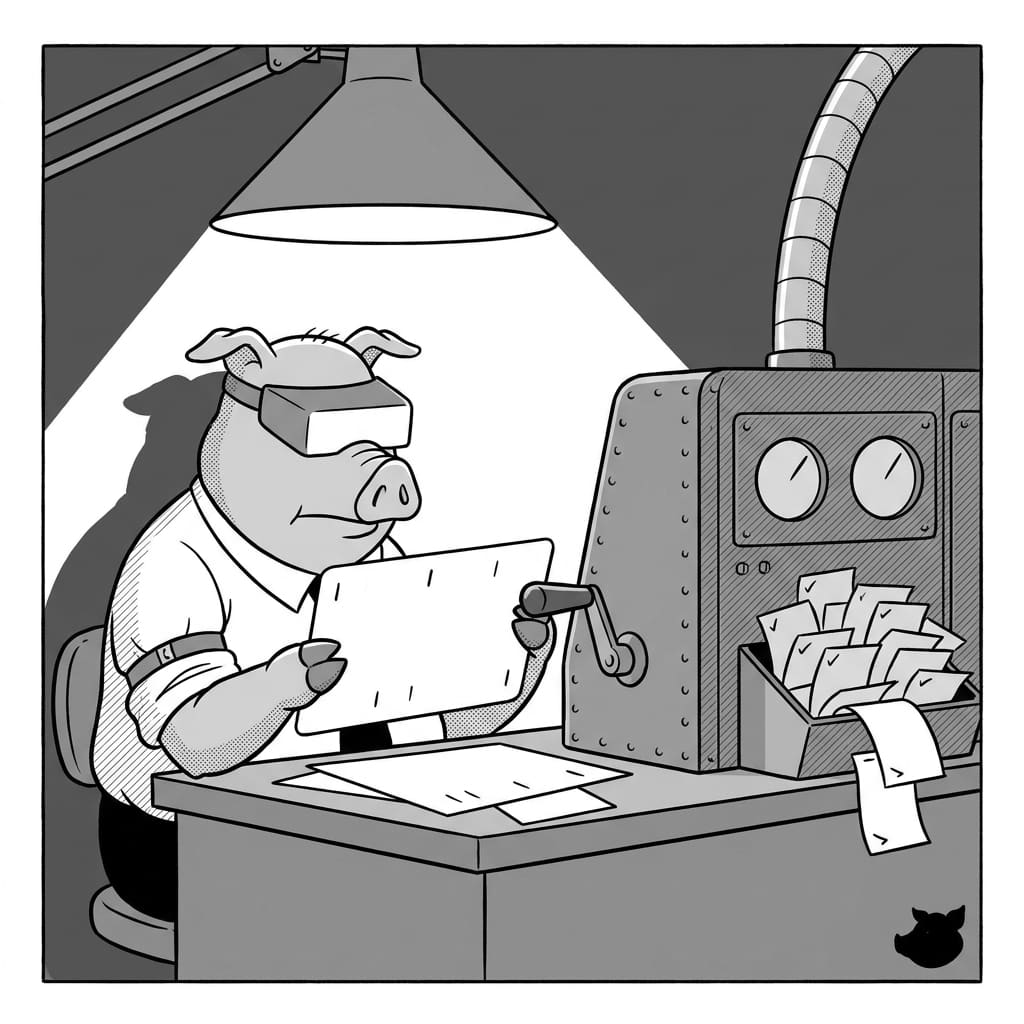
Navigating a High-Pressure Job Market
If you have been looking for a job this year, you already know the landscape has gotten significantly tougher. We are well into late 2026, and the application process can feel like shouting into a void. You are definitely not alone in feeling this way. According to recent data from the Monster Research Institute highlighted in a May 2026 Forbes report, 39% of job seekers say they feel more pressure to get hired than in previous searches, and one in four have been searching for more than a year.
When the market tightens, employers get pickier. Your resume has to do heavy lifting before a human being ever even glances at it. To get off the endless treadmill of applying and getting auto-rejected, you have to play by the rules of modern Applicant Tracking Systems (ATS) while still appealing to the hiring managers who eventually read your document. Let us dive into the most critical resume formatting and writing tips working right now.
1. Keep Your Formatting Boring to Beat the Bots
It is tempting to hop on Canva and download a gorgeous, multi-column resume template with custom graphics, icons, and a headshot. After all, you want to stand out, right? Unfortunately, doing so is one of the fastest ways to get your application tossed in the virtual trash.
As career expert Robin Ryan notes in a comprehensive Forbes breakdown on resume keywords, 99% of Fortune 500 companies currently use an ATS. These systems are the gatekeepers of the corporate world, and they are notoriously bad at parsing fancy formatting. If the ATS cannot read your columns, text boxes, or custom graphics, it assumes you lack the required experience and auto-rejects you.
The Fix: Keep your resume format remarkably simple. Use a standard Word document (.docx) or a clean PDF. Stick to a single-column layout, standard fonts like Arial or Calibri, and clear section headers (e.g., "Experience," "Education," "Skills"). You want to stand out for your achievements, not for your page design.
2. Make Your First Bullet Point Your Best Bullet Point
Once you make it past the ATS, you only have a few precious seconds to capture a human recruiter's attention. Many candidates make the mistake of listing their daily responsibilities in chronological order, leaving their biggest wins buried at the bottom of a bulleted list.
This is a massive missed opportunity. According to heat-mapping research cited in a Forbes guide to resume writing, recruiters' eyes naturally gravitate to the very first bullet point under every job entry before they quickly scan down and move to the next role. If your first bullet says, "Attended weekly team meetings," the recruiter is likely to skip the rest.
The Fix: Lead with your most impressive, quantifiable achievement for every role. Instead of listing duties, list results. For example: "Spearheaded a new client onboarding initiative that reduced churn by 15% in the first quarter." Hook them immediately, and they will keep reading. If you struggle to tailor these bullets for every single application, leveraging a tool like ResumeHog can help you instantly optimize and reorder your accomplishments to match specific job descriptions.
3. Do Not Forget the Soft Skills
In 2026, we talk a lot about artificial intelligence, data analytics, and specific technical proficiencies. While hard skills are essential for passing initial keyword filters, they are often not what actually gets you hired. Employers are desperate for candidates who know how to communicate, solve problems, and work well within a team.
In fact, according to a CNBC report highlighted in the same Forbes resume guide, a staggering 93% of employers want to see soft skills included on candidate resumes. But you cannot just drop words like "team player" or "great communicator" into your skills section and call it a day. Those phrases are empty fluff without context.
The Fix: Prove your soft skills in your experience bullets. If you want to show you are a great leader, write about the time you mentored three junior employees to promotions. If you want to highlight your problem-solving abilities, detail a specific crisis you navigated and the positive outcome you secured. Show, do not just tell.
4. Mirror the Language of the Job Description
Finally, always remember that an ATS is primarily a matching engine. It looks for specific keywords drawn directly from the job posting. If the employer is asking for someone with "client relations" experience, and your resume says "customer service," the ATS might not connect the dots.
Take five extra minutes to read the job description carefully. Highlight the specific phrases, software tools, and methodologies they ask for, and weave those exact terms into your resume. While doing this manually can be tedious, AI-powered tools like ResumeHog can scan the job posting and your base resume, helping you tailor your document in seconds so you never miss a critical keyword.
Navigating the late 2026 job market requires a bit of strategy, but by simplifying your format, leading with impact, proving your soft skills, and perfectly aligning your keywords, you will dramatically increase your chances of getting past the bots and into the interview chair.